
Review · JAIPUR BLOCK PRINTING WORKSHOPS
Private Natural Dye and Block Print Workshop with Lunch
Natural color is the focus here, but the bigger idea is learning to look at fabric differently. At this private workshop near Jaipur, you’ll explore how natural dyes are made, try shibori tie-dye and block printing, and leave with cotton pieces you’ve worked on yourself.
I like two things in particular: you get to try three distinct textile techniques, not just watch a demonstration, and the workshop connects craft to sustainability by using natural colors and materials from kitchens and the surrounding area. Lunch, tea and take-home dye packs also make the long session feel like a full day out, rather than a short class.
The main consideration is the logistics: transport is not included, and the meeting point is in Kokawas, so you’ll need to arrange your own ride. The session lasts about five and a half hours, and the workshop advises wearing comfortable shoes because the work can get tiring.
- Three hands-on techniques: Natural dyeing, shibori tie-dye and block printing are all part of the session.
- Color from natural sources: Learn how natural colors can produce yellows, oranges, browns, pinks, blues, reds and greens.
- Bring fabric to work on: You may bring garments or fabric of your own, as well as use the cotton items supplied.
- Take home useful extras: Your included items are four 50-gram natural dye packs, an organic cotton bag and one organic cotton item.
- Lunch is included: Expect a vegetarian thali, plus Indian tea, cookies and bottled water.
- Private group format: Only your party takes part, but you must arrange transport to the meeting point.
A craft workshop with a sustainability lesson
Dye It Yourself is built around a practical question: what does it take to color cloth without relying on chemical dyes? The workshop introduces natural dyeing as a craft, while also explaining why the choice of dye matters to the environment. That makes the session useful beyond the item you make. You leave with a better sense of how textile production connects to everyday buying choices.
The workshop aims to make natural color feel approachable, not mysterious. You’ll learn some history and fundamentals, then explore how natural colors can be extracted from materials around us. The team also makes use of kitchen waste and nearby resources where possible, an idea that gives the sustainability message a tangible, everyday scale.
This is not a lecture with a brief souvenir-making stop tacked on. The plan is divided into three working sections: natural dyeing, shibori tie-dye and block printing. You can interact with people who have practiced these arts for generations, ask questions and try each process yourself. If you’re curious about how fabric gets its color or pattern, the chance to work through the steps is the real draw.
Natural dyeing starts with color
The first part introduces natural dyeing and the range of colors you can draw from natural sources. The workshop covers yellows, oranges, browns, pinks, blues, reds and greens, then explores the basics of extracting those colors. The supplied information does not specify which plants or other materials will be used for each color, so think of this as an introduction to the process rather than a fixed recipe list.
The environmental thread gives this segment a purpose beyond technique. Chemical dyes are identified as a major source of textile pollution, and the workshop encourages you to consider sustainability when buying textiles. That is a useful lens if you enjoy craft but also want to understand the impact of what you wear and bring into your home.
Expect to get involved. The workshop describes the experience as hands-on, and participants have the chance to try each process rather than simply observe the instructors. If you’re new to dyeing, that practical approach should help you understand the work involved. If you already know textiles, you can use the time to ask more detailed questions and compare methods.
More block printing workshops around Jaipur:
- Private Jaipur Full-Day Tour with Block Printing
★ 5.0 · 206 reviews - Jaipur: Block Printing Workshop and Hands-on Experience
★ 5.0 · 78 reviews - Jaipur: Shopping Tour with Blue Poetry & Printing Workshop & Rugs
★ 5.0 · 42 reviews
Shibori adds pattern through folding and tying
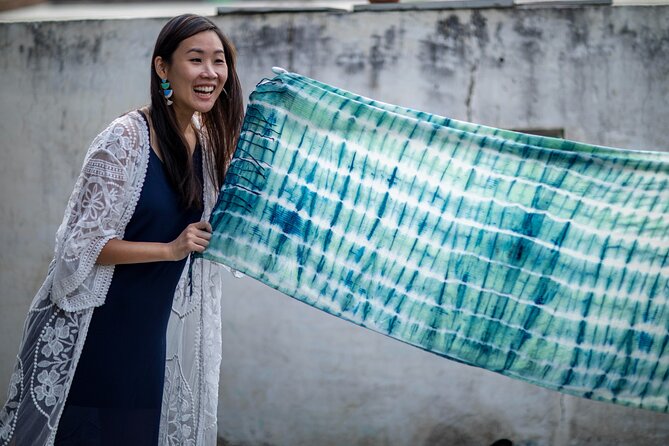
Shibori is the tie-dye section, offering a different way to think about color. Instead of focusing only on extracting dye, you’ll explore how the cloth itself can be worked to create a pattern. The workshop includes this as a separate segment, so you can compare it with natural dyeing and block printing rather than treating all three as one general craft activity.
The process is hands-on, and that matters. A technique makes more sense when you can handle the fabric and see how your choices shape the result. The experience promises a chance to make your own explorations through color, though it does not detail exactly which shibori patterns or tying methods are taught. Go in ready to experiment rather than expecting a set design.
Block printing brings the pattern to the surface
Block printing is the third part of the workshop. It gives you another way to add design to cloth, alongside the color work and tied patterns. Together, the three sections cover distinct approaches to textile decoration, making the experience a better fit for curious makers than for someone seeking a single, narrow lesson.
The workshop does not specify the designs, blocks or printing materials used. If you have a particular technique in mind, ask the organizer before booking. The value here is the chance to try block printing as part of a wider introduction to textile traditions, and to talk with people who have practiced the craft for generations.
What you’ll make and take home
The included materials are generous for a half-day class. You receive four natural dye packs, each weighing 50 grams, an organic cotton bag and one organic cotton item to take home. The item can be a scarf, dress, shorts, placemat or cushion cover, with a selection made at the workshop.
You can also bring as much fabric or as many garments as you want to dye. That opens the door to working on something personal, rather than limiting your day to a prepared sample. Still, the session is about five and a half hours and includes three techniques, so be realistic about how much you can complete. I’d choose one or two items you care about, rather than arrive with a suitcase of projects.
A practical tip: avoid bringing anything precious or irreplaceable. Dyeing is hands-on work, and the workshop itself warns that you may leave spattered. That is part of the fun, but it is a good reason to wear clothes you don’t mind getting marked.
More art and craft workshops around Jaipur:
- From Delhi/Agra: Taj Mahal Tour with Rental Saree Experience
★ 5.0 · 47 reviews - Block Printing Workshop in Jaipur! (including lunch)
★ 5.0 · 34 reviews - Jaipur: Private Shopping Tour with Block Printing Workshop
★ 4.5 · 11 reviews - Exclusive Block Print Workshop in Rajasthan
★ 5.0 · 8 reviews
Lunch gives the long session a welcome pause
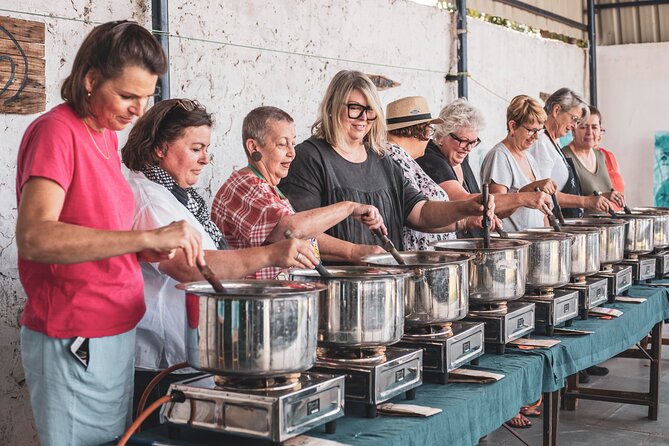
A vegetarian thali is included, with three vegetable dishes, chapati, rice, curd and a sweet. Indian tea and cookies are also provided, along with bottled water. That is a useful part of the package: you do not have to plan a separate meal during a session that runs for several hours.
The lunch is described as vegetarian, so it suits those seeking a meat-free meal. The details do not say whether dietary substitutions are available, so contact the provider if you have specific food needs. This is a small point to settle ahead of time, especially if you’re planning the workshop as the main activity of your day.
The private format and the trip to Kokawas
This is a private activity, meaning only your group participates. That can make it easier to ask questions and work at your own pace than in a large class. It also suits friends or family who want to share a creative activity, while the group-discount feature may help if you are booking together.
The meeting point is QQ7J+M27 Kokawas, Rajasthan, and the activity ends back there. Private transportation is not included. Since the meeting point is outside the central Jaipur address given for the experience, check the route and arrange your own ride before booking. The supplied details do not give a transfer time or transport option, so don’t assume the workshop will collect you.
The experience is listed as operating daily from 10:00 a.m. to 5:00 p.m., while the activity itself lasts about five and a half hours. Treat the duration as an estimate and confirm the start time for your chosen date. Wear comfortable shoes: the organizer notes that the work can become tiring.
Is $190 a fair price?
At $190 per person, this is not a bargain-basement craft class. The price makes more sense if you value the private format, instruction across three techniques, all the included materials, a meal and the take-home items. You’re paying for a substantial guided activity, not just a few minutes at a printing table.
The value will depend on how much you want to learn. If you’re interested in sustainable textiles, natural dyes or hands-on craft, the range of techniques and the chance to ask questions can justify the higher price. The four dye packs and cotton pieces also give you something to keep working with after the session.
If you mainly want a quick souvenir or a low-cost activity, this may be more time and money than you need to spend. Likewise, the price does not include transport, so factor in your ride to Kokawas when comparing it with other activities. Group discounts are available, but the details are not specified; ask the provider for the current terms if you are booking with others.
Who will get the most from this workshop?
This is a strong choice for anyone curious about how textiles are colored and patterned, especially people who work with fabric or enjoy making things by hand. A textile professional may find the practical format useful for extending existing knowledge, while beginners can get a clear introduction to several techniques in one day.
It also suits friends or family who want an activity that leaves room for conversation and making things together. Since it is private, your group can share the experience without other parties joining. The workshop is not described as requiring prior experience, and most participants can take part, but expect to be active rather than sit back and watch.
Families should check the age and participation details directly if booking for children, since no minimum age is provided. Service animals are allowed. If standing or working for an extended period is a concern, ask the organizer what the session involves before you reserve; the details advise comfortable shoes but do not give specific accessibility information.
Should you book it?
Book this if you want a substantial, hands-on introduction to natural dyeing, shibori and block printing, and you’re happy to spend most of a day making and learning. The sustainability focus gives the craft a practical purpose, while lunch and take-home cotton items make the price easier to assess.
Skip it if you want a short activity, need transport included or would rather avoid a session that may be physically tiring. For the best fit, arrange your ride in advance, wear comfortable shoes and bring a small selection of fabric you’re willing to experiment on. If the idea of turning natural color into something you can use at home appeals to you, this workshop offers a thoughtful way to do it.
FAQ
How long does the workshop last?
The activity lasts about five hours and 30 minutes.
Where does the workshop meet?
It meets at QQ7J+M27 Kokawas, Rajasthan, India, and ends back at the same meeting point.
Is transportation included?
No. Private transportation is not included, so you’ll need to arrange your own ride.
Is this a private activity?
Yes. Only your group participates.
What techniques will I learn?
The workshop includes natural dyeing, shibori tie-dye and block printing.
Can I bring my own fabric or clothes?
Yes. You may bring as much fabric or as many garments as you want to dye during the workshop.
What can I take home?
You receive four natural dye packs of 50 grams each, an organic cotton bag and one organic cotton item. The item options are a scarf, dress, shorts, placemat or cushion cover.
Is lunch included?
Yes. A vegetarian thali includes three vegetable dishes, chapati, rice, curd and a sweet. Indian tea, cookies and bottled water are also included.
When does the activity operate?
The listed hours are 10:00 a.m. to 5:00 p.m., Monday through Sunday.
Can I cancel for a refund?
You can cancel at least 24 hours before the experience starts for a full refund. If poor weather causes the activity to be canceled, you’ll be offered another date or a full refund.
More tours with lunch around Jaipur
- From Jaipur: Private Taj Mahal & Agra Day Trip with 5* Lunch
★ 4.9 · 161 reviews - Taj Mahal & Agra Fort Private Tour with Lunch & Pickup
★ 4.9 · 69 reviews - Pushkar Day Trip from Jaipur – Private Car, Safari, Guide & Lunch
★ 4.5 · 45 reviews - From Delhi: Taj Mahal & Agra Private Day Trip with 5* Lunch
★ 4.8 · 41 reviews
More private tours around Jaipur
- Jaipur: Private Full Day Sightseeing Tour By Car with Guide
★ 4.9 · 1,839 reviews - Agra: Skip-the-Line Taj Mahal & Agra Fort Private Tour
★ 4.9 · 1,546 reviews - Jaipur: Private Sightseeing Day Tour with Guide by Car
★ 4.8 · 773 reviews - Jaipur: Private Full-Day Sightseeing Tour by Tuk-Tuk
★ 4.8 · 573 reviews
Just added around Jaipur
- Guided Morning E-Rickshaw Ride with Food Tasting at Jaipur★ 5.0 · 28 reviews
- Magical Jaipur Night Tour Including Patrika Gate★ 5.0 · 4 reviews
- Best cooking class with family in Jaipur – Activity in jaipur★ 5.0 · 17 reviews
- Luxury Same Day Taj Mahal tour From Delhi – All Inclusive★ 5.0 · 16 reviews
- Bollywood Dance Class in Jaipur – Includes Hotel Transfers★ 5.0 · 16 reviews
- Meenakari Enamelling Experience on Silver Jewellery in Jaipur★ 4.5 · 4 reviews
- Pink City Street Food and Local Market Tour★ 5.0 · 6 reviews
- Walking Tour Jaipur India★ 5.0 · 5 reviews
Jaipur Block Printing Workshops, compared.
Private Jaipur Full-Day Tour with Block Printing
Read our review →
Learn Hand Block Printing Techniques & Print Your Own Fabric
Read our review →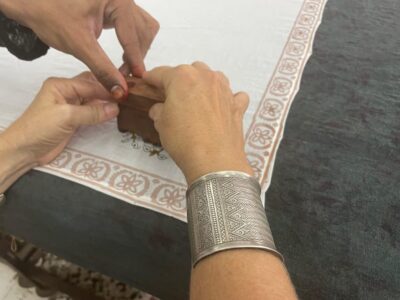
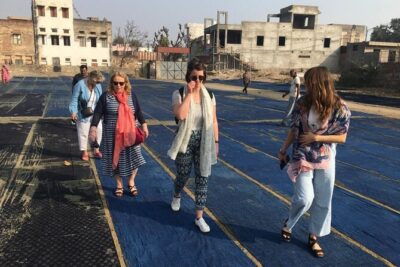
Block Printing & Village Stories: Discover Bagru’s Craft Legacy
Read our review →
Shopping Tour with Blue Poetry & Printing Workshop & Rugs
Read our review →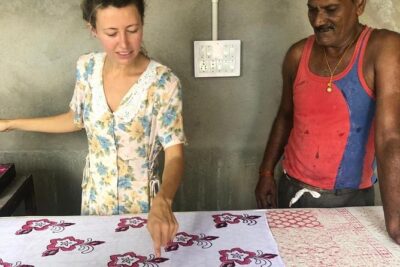
Block Printing Workshop in Jaipur! (including lunch)
Read our review →
Jaipur Half-Day Shopping Tour with Hand Block Printing Class
Read our review →
Private Shopping Tour with Block Printing Workshop
Read our review →Browse the lists this tour appears in