
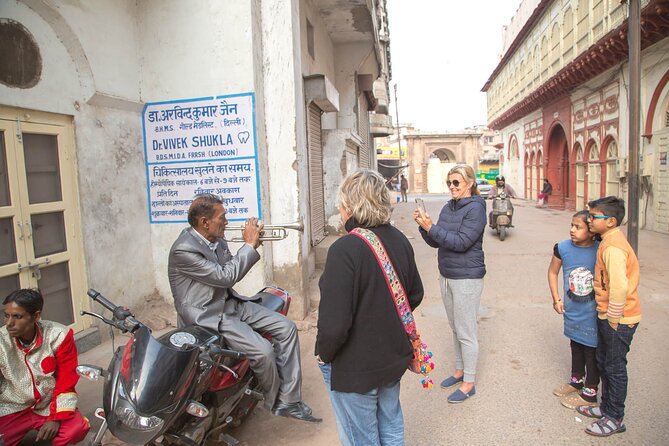
Review · JAIPUR WALKING TOURS
Agra 101 City Walk
Agra’s marble monuments tell one story. This three-hour walk through the old city brings you closer to another: mosques, spice traders, old homes, temples, and the lanes where daily life carries on beyond the Taj Mahal. You also climb to a rooftop for a panoramic view of the city.
I like two things in particular: the private format lets you set the pace, and the walk trades a car window for the details you can only catch on foot. Local snacks add a welcome taste of the city. One consideration: narrow market streets and home visits are part of the appeal, but they may feel less comfortable if you prefer a quiet, highly polished sightseeing route.
What makes this walk worth considering
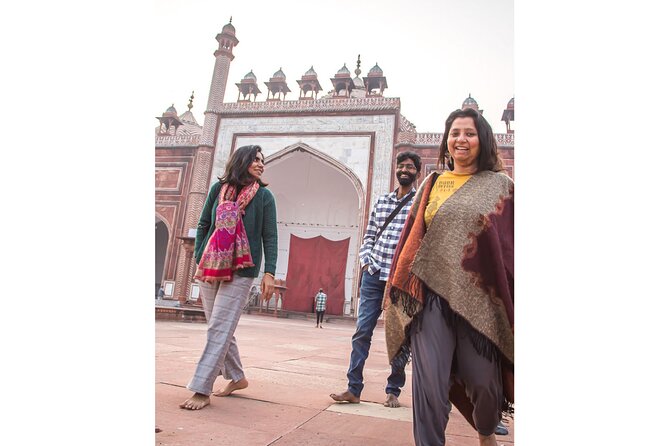
- Start and finish at Jama Masjid: The mosque is both the meeting point and the final stop, making the route easy to understand.
- Walk through Rawatpara: This old spice market brings the city’s trade history into view alongside medieval temples and local shops.
- Climb onto a local rooftop: The view offers a broad look over Agra and a chance to hear about life in the neighborhood.
- See the city’s architectural layers: The route passes 18th-century buildings, old homes, temples, and a former courtesan market.
- Visit Mirza Ghalib’s birthplace: Kala Mahal connects Agra’s streets to the life of a major Urdu poet.
- Go privately, with snacks and photo help: Your group sets the pace, and a guide can help you take pictures along the way.
Agra beyond the Taj Mahal
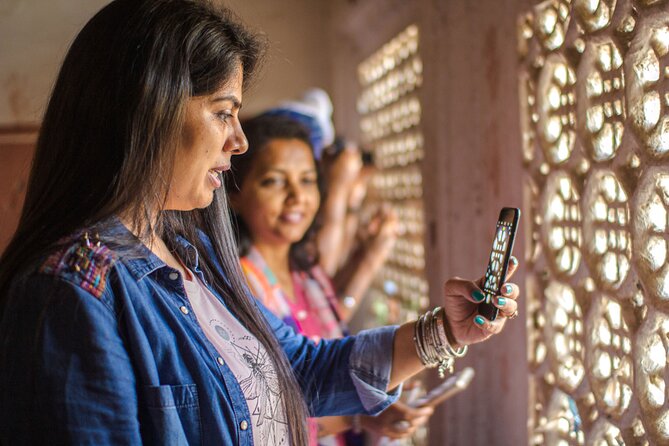
Agra’s famous sights can easily fill a visit, but the old city rewards anyone willing to set aside a few hours for its smaller stories. This walk moves through a working neighborhood rather than linking major monuments by car. You pass places of worship, trade, and home life, with a guide explaining how the city’s past connects to its present.
That change of scale matters. From a car, you may see a market as a blur of color and traffic. On foot, you can stop at a spice stall, look up at a building’s facade, or step inside a temple or home when the route allows. The experience is not a substitute for the Taj Mahal or Agra Fort. It adds context to a city often reduced to its grandest stonework.
The route is private, so the guide can adjust the pace for your group. That is useful in streets where you may want to pause, ask questions, or take photos. Guides associated with the walk include Arhaan, Tahir, and Kaleem. Names and availability may vary, so do not assume you will have a particular guide when booking.
More walking tours around Agra:
- Agra Walking Tour
★ 5.0 · 109 reviews - Agra: Street Food Walking Tour, Spice Market, & Tuk-tuk Ride
★ 4.9 · 102 reviews - Spiritual City Walking Tour-THE Pushkar Route
★ 5.0 · 907 reviews
Jama Masjid sets the scene
The walk begins at Jama Masjid, where your guide gives an introduction to Agra and explains how the outing will work. You then enter the mosque and hear stories about the city. The stop is scheduled for about 20 minutes, enough to get oriented before heading into the surrounding lanes.
Starting at a mosque gives the walk a useful frame. Agra’s identity is not only about imperial architecture; its religious places and neighborhoods are part of the city’s lived history. You can ask your guide questions here and get a sense of what to watch for as the route continues.
The walk returns to Jama Masjid at the end, so you do not need to plan for a different finish point. Admission is listed as free at the stops.
Rawatpara’s spice trade and temple lanes
The next stop is Rawatpara, described as a 15th-century spice market with a long role in the city’s trade. You spend about 30 minutes in the area, visiting medieval temples, learning about spices, and climbing onto a rooftop.
The market is one of the clearest reasons to choose this tour on foot. You get time to notice the neighborhood rather than simply pass through it. The guide’s explanations can help you read the place: what has been traded here, how the market fits into Agra’s story, and what details might otherwise look like ordinary street activity.
Expect a lived-in setting, not a staged attraction. The route includes local streets and religious sites, so the experience is as much about observing the city as it is about monuments. The rooftop adds a change of perspective, though the information provided does not specify how high the climb is or what facilities are available.
Fuvara’s old walls, homes, and marble work
At Fuvara, the walk follows the old walled city, where 18th-century buildings remain. You spend about 40 minutes here, with visits inside certain homes and temples, plus a stop at an old marble shop displaying carved work.
This is the longest scheduled stop, and it brings together several kinds of local history. A facade can tell you about a building’s age and style; stepping inside can show how a home or temple is used and arranged. The marble shop adds a connection to the craft associated with Agra, though the tour details do not promise a demonstration or a chance to buy anything.
The variety makes this section especially useful if you want more than a street walk. Still, the exact homes and temples visited may depend on what is open and available that day. Treat the route as a guided introduction to the neighborhood, not a guaranteed sequence of interiors.
More Jaipur tours around Agra:
- Agra: Skip-the-Line Taj Mahal & Agra Fort Private Tour
★ 4.9 · 1,546 reviews - Agra: Taj Mahal Express Entry Tickets
★ 4.8 · 684 reviews - Agra: Taj Mahal and Mausoleum Guided Tour with Skip-the-Line
★ 4.8 · 631 reviews - Private Guided Taj Mahal Tour with Skip The Line Entry Ticket
★ 5.0 · 562 reviews
A former courtesan market and the city’s social past
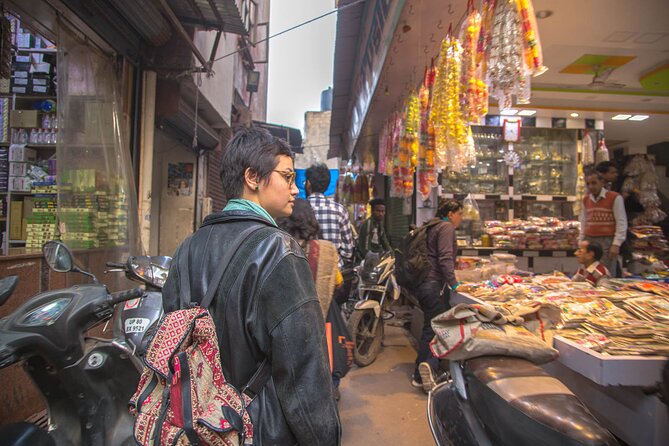
The walk then passes the area near Police Station Gudri Mansoor Khan, identified as the site of a former courtesan market within the old fort city. The scheduled stop is about 20 minutes, with your guide sharing the history of the places along the way.
This is a reminder that city history includes more than rulers and religious buildings. The account of a former market can open a conversation about work, status, and social life in an earlier Agra. The details available do not spell out exactly what stories the guide will cover, so your questions can help shape this part of the walk.
As with the rest of the route, the value lies in having someone explain the context while you are standing in the neighborhood itself. The area is not presented as a preserved museum, and that can make the past feel closer, though it also means the surroundings may be busy or changeable.
A rooftop view and a look at neighborhood life
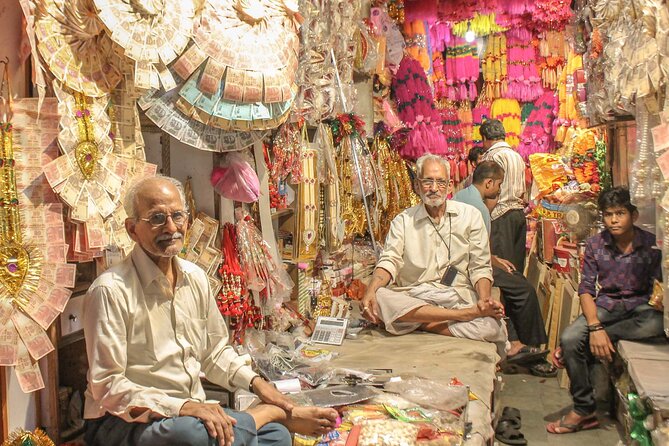
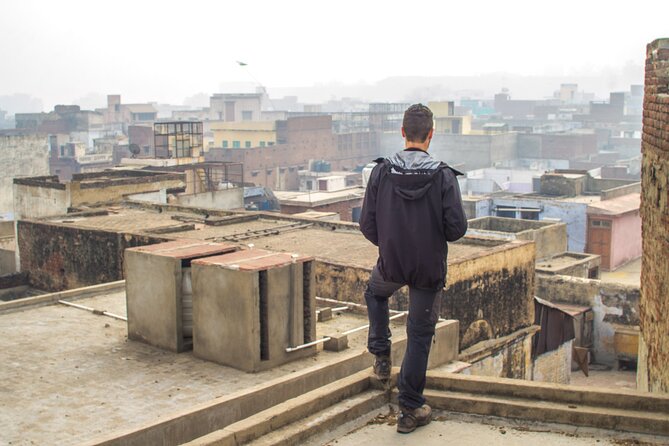
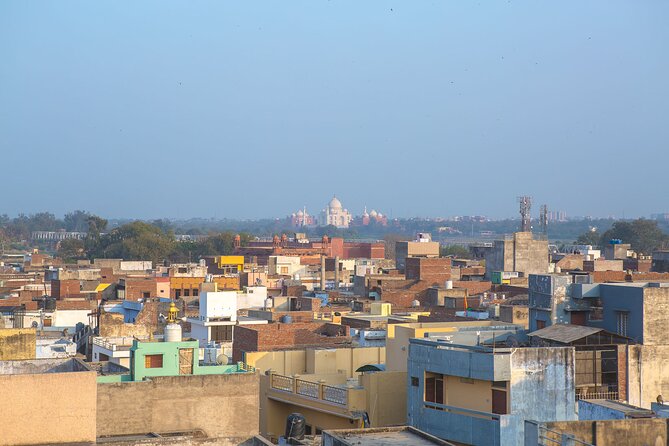
On Rawatpara Road, you enter a 15th-century locality and climb to the roof of a local home for a panoramic view of the city. The stop lasts about 30 minutes and includes conversation about how people live in the area, local stories, and opportunities to meet and interact with residents.
The rooftop is one of the route’s most distinctive moments. A wide view helps you understand the old city’s scale, while the guide’s commentary brings the focus back down to daily life. The point is not just to take a picture from above; it is to connect the view with the homes and streets you have been walking through.
The home visit is a privilege, not a reason to treat the neighborhood as a backdrop. Be considerate when taking photographs, and follow your guide’s lead about where it is appropriate to go or shoot. The tour says your guide can help with photos, a practical bonus if you want a picture of yourself without asking a stranger.
Kala Mahal and Mirza Ghalib’s Agra
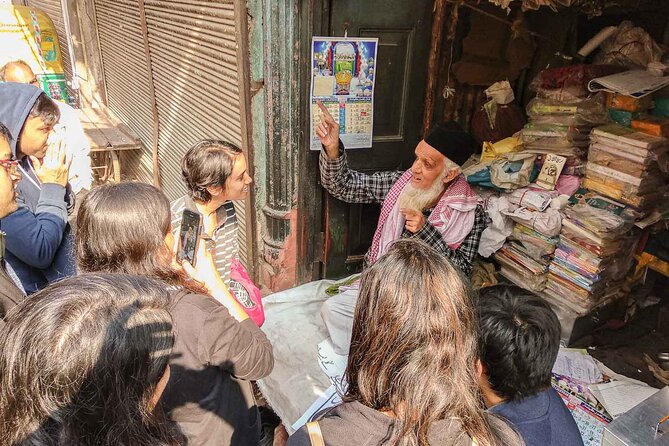
The final major stop is Kala Mahal, described as the birthplace of Mirza Ghalib, the celebrated Urdu poet. You spend about 30 minutes here and also see the facades of 18th-century bungalows in the area.
This stop offers a different kind of connection to Agra. The city’s story is not only told through imperial buildings; it also belongs to poets and the people who lived in its neighborhoods. Ghalib’s birthplace gives a name and a creative legacy to a place that might otherwise be just another old building.
The walk does not describe a formal museum visit or an extended poetry reading. Think of Kala Mahal as a meaningful site visit with architectural context, then use the time to ask your guide about Ghalib and the district.
The pace, price, and practical details
The experience takes about three hours, with seven scheduled stops whose listed times add up to roughly the full duration. Because the tour is private, you can travel at your group’s preferred pace. That matters on a walk with markets, interiors, rooftop access, and plenty of opportunities to stop and ask questions.
At $41.12 per person, the price buys more than a route between landmarks. You are paying for a guide who can interpret the streets, arrange access to some local spaces, and help make sense of the history as it appears around you. The value is strongest if you want a personal introduction to old Agra. If you only want a quick photo stop or prefer to explore independently, the guided format may be less worthwhile.
Local snacks are included, but the details do not specify what they are or whether dietary needs can be accommodated. If that matters to you, ask before booking. The activity uses a mobile ticket, and confirmation is provided at booking. It is listed as operating daily from 8:00 AM to 5:00 PM, with the meeting point at Jama Masjid.
The tour is described as suitable for most participants, allows service animals, and is near public transportation. No specific walking distance or accessibility details are given, so contact the operator if you have mobility questions. Free cancellation is available up to 24 hours before the start time; cancellations inside that period are not refunded.
Who will get the most from this walk
I would choose this for a first or second day in Agra, when you want to understand more than the city’s headline monuments. It also suits repeat visitors, history-minded walkers, and anyone interested in markets, architecture, and the texture of local life. The private setup is especially helpful for couples, families, or small groups who want to ask questions without keeping pace with strangers.
It may be a weaker fit if you have only a short stop in Agra, dislike walking through working neighborhoods, or want a tour centered on the Taj Mahal itself. The Taj is not listed as a stop. Some descriptions of the walk mention stories about the Taj, but the route focuses on the old city and its own landmarks.
Should you book the Agra 101 City Walk?
Book it if you want to see Agra at street level and have a guide connect its mosques, markets, homes, and literary history. The rooftop view, spice market, and visit to Kala Mahal give the route a clear identity beyond a generic city stroll. At around three hours, it is a substantial but manageable way to add another layer to a Taj-focused visit.
Before booking, check that the walking pace and possible home or rooftop visits suit your group, and ask about any dietary or access needs that are not addressed in the tour details. The activity is often booked about 10 days ahead, so plan accordingly. For a curious visitor with room in the schedule, this is a worthwhile way to meet a less monumental, more everyday Agra.
FAQ
How long is the Agra 101 City Walk?
The walk lasts about three hours and includes seven scheduled stops.
Where does the tour begin?
It begins at Jama Masjid in Agra, Uttar Pradesh.
Where does the tour end?
It ends back at Jama Masjid, the meeting point.
Is this a private tour?
Yes. It is a private activity for your group only.
What is the price?
The listed price is $41.12 per person.
Are local snacks included?
Yes, local snacks are included. The specific snacks are not identified.
Does the guide help with photos?
Yes. Your guide can help take photos during the tour.
Which places does the walk visit?
The route includes Jama Masjid, Rawatpara, Fuvara, the area near Police Station Gudri Mansoor Khan, Rawatpara Road, and Kala Mahal.
When does the tour operate?
It is listed as operating daily from 8:00 AM to 5:00 PM.
Can I cancel for a refund?
You can receive a full refund if you cancel at least 24 hours before the experience starts. Cancellations made less than 24 hours in advance are not refunded.
Just added around Agra
- From Delhi : Taj Mahal full day Agra tour by Gatiman Train★ 5.0 · 23 reviews
- Agra: Agra Fort and Baby Taj Private Tour with Pickup & Drop★ 4.9 · 29 reviews
- Taj Mahal & Agra Fort Tour from Agra City★ 5.0 · 30 reviews
- From Agra: Fatehpur Sikri Private Tour★ 4.8 · 30 reviews
- Sunrise to Sunset full day Agra tour with Taj Mahal & 3 Monuments★ 5.0 · 31 reviews
- Private Tour of Taj mahal and Agra Fort with Guide & Entry Ticket★ 5.0 · 31 reviews
- Private Skip The Line Taj Mahal Sunrise Tour★ 5.0 · 30 reviews
- Skip The Line Private Taj Mahal & Agra Fort Day Tour By Car★ 5.0 · 31 reviews
Jaipur Walking Tours, compared.




Afternoon Walk Tour with Sunset & Fire Ritual -The Pushkar Route
Read our review →
Browse the lists this tour appears in