
Review · PUSHKAR TOURS
Spiritual Walking tour with Puja Ceremony -The Pushkar Route
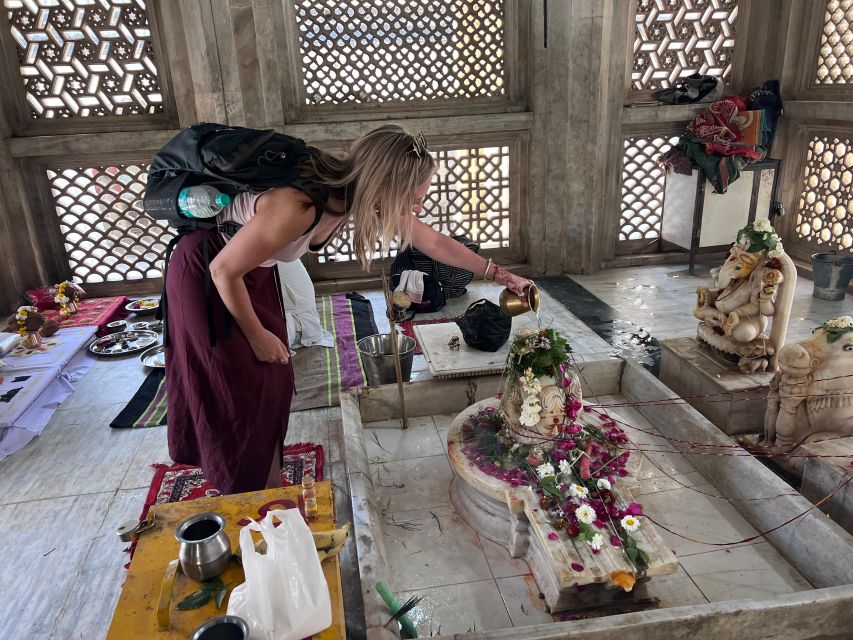
Pushkar’s sacred life is not tucked away behind temple doors. It plays out around the lake, along the ghats, and in the lanes connecting one shrine to the next. This walking tour links those places with a lakeside puja ceremony, giving you context for what you see and a chance to take part respectfully.
I like two things especially: the no-shopping promise keeps the focus on the town, and the route mixes major temples with smaller lanes and local food. One consideration: three hours is a brisk time for so many stops, and the ceremony, questions, or photo breaks may stretch the outing. Wear comfortable clothes and sandals, and avoid bringing a large bag.
- A lakeside puja brings ritual into focus: Your guide explains the ceremony and invites you to participate.
- The route joins well-known temples and ghats: Expect the Sikh Temple, Varaha Temple, Old Vishnu Temple, Brahma Temple, Brahma Ghat, and Gau Ghat.
- The walking is part of the point: Local lanes offer a closer look at everyday activity than a drive between sights.
- Tea and malpua are included: Pause for masala tea and a local sweet pancake during the walk.
- There is no shopping stop: The tour is designed around Pushkar’s spiritual and cultural life, not sales visits.
- The listed price is $6 per person: Hotel pickup and drop-off are offered, and temple entry tickets, water, and refreshments are included.
Pushkar Makes More Sense on Foot
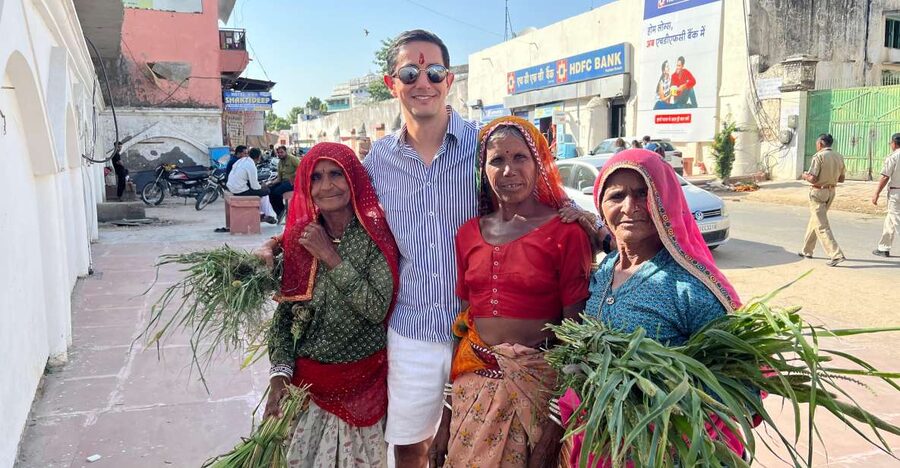
Pushkar is compact enough to explore by foot, but its significance can be hard to read at first. A temple may look like one more stop in a busy day until someone explains its place in local religious life. The ghats can seem like a scenic lakeside promenade until you understand their role in ritual and prayer.
That is the strength of this tour. It connects religious sites with the streets and customs around them, so you are not just collecting temple names. Guide Vishwanath Parashar, who also goes by Manish, leads the tours himself, according to the provider. The supplied accounts consistently describe him as fluent in English, patient with questions, and able to explain Hindu traditions and Pushkar’s history in clear terms.
The walk is also explicitly shopping-free. That matters in a town where markets are part of the scene, but a guided outing can sometimes be steered toward stores. Here, the stated focus is on temples, culture, local life, food, and the lake.
Starting at the Sikh Temple and Varaha Temple

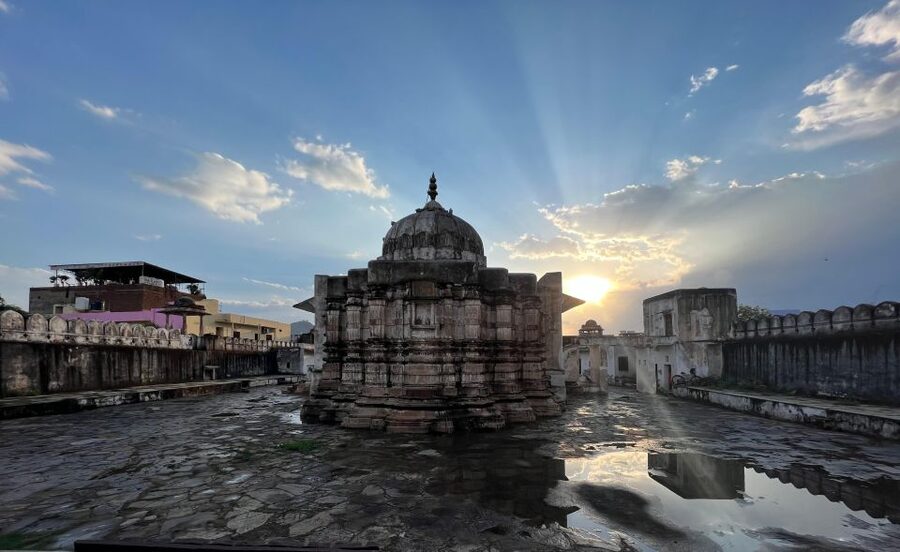
The route begins at a Sikh temple, then moves to Varaha Temple, described as an 11th-century temple. That opening offers a useful reminder that Pushkar’s religious identity is not limited to a single community or tradition. The guide’s explanations can help you place the sites in a broader cultural setting, rather than treating each as an isolated building.
Varaha Temple is a meaningful early stop for its age and religious importance. As with any active place of worship, the visit is less about rushing through for a photograph and more about observing respectfully. Wear clothes that are suitable for temple visits, and follow your guide’s direction on local customs.
The practical upside of beginning with these temples is that you meet the town through its sacred places before the streets grow familiar. The trade-off is that people who prefer a slow architectural visit may want more time at each stop than a three-hour itinerary can offer.
More Pushkar trips around Jaipur:
- Spiritual City Walking Tour-THE Pushkar Route
★ 5.0 · 907 reviews - Afternoon Walk Tour with Sunset & Fire Ritual -The Pushkar Route
★ 5.0 · 119 reviews - Evening Walking Tour with Fire Rituals-The Pushkar Route
★ 4.9 · 108 reviews
Seeing the Old Vishnu Temple’s Architecture
The Old Vishnu Temple is included for its architecture. This is a chance to look beyond the most famous shrine and notice a different layer of Pushkar’s built heritage. A guide can point out details you might otherwise pass without knowing what to look for.
The tour information does not specify the architectural features you will see, so it is best not to arrive expecting a particular style or a long, formal explanation of the building. Instead, treat it as a stop that adds variety to a walk centered on religious practice and local history.
That variety is useful. A route made only of major landmarks can feel like a checklist; smaller or less prominent sites help explain how the town’s spiritual life is woven into its streets.
Jaipur Ghat, Brahma Ghat, and Gau Ghat
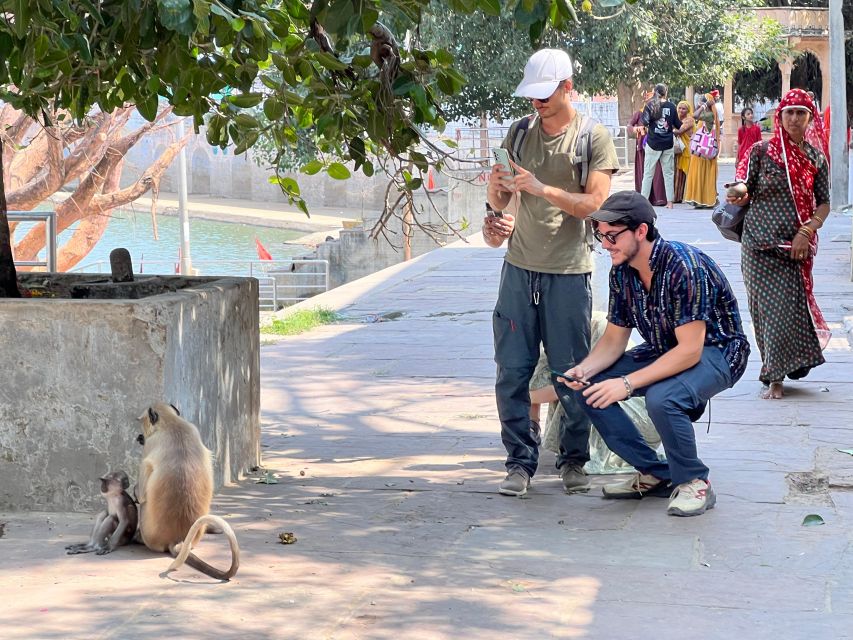
The ghats are among the most revealing parts of the walk. Jaipur Ghat is named as a photography stop, while Brahma Ghat and Gau Ghat are included for their connection to ritual. Along the lake, you can see how Pushkar’s sacred character is expressed in public space, not only inside temples.
The pace here may be more personal than at a conventional sightseeing stop. Several accounts describe the guide making room for photographs and explaining how to approach the ritual respectfully. That is especially helpful if you are unsure when to observe quietly, where to stand, or whether participation is appropriate.
The puja is a central feature of the experience. Your guide explains the ceremony and invites you to take part at the lake. You do not need to treat participation as compulsory; if you prefer to watch, ask your guide what is respectful. For many people, this will be the most memorable part of the walk, but it is also the part that asks for openness and attention rather than passive sightseeing.
The ghats can be busy and active. This is a working sacred setting, not a staged performance, so keep your camera use considerate and follow instructions. The tour’s value lies partly in helping you see the difference between observing a ritual and treating it as a photo opportunity.
The Brahma Temple and Pushkar’s Spiritual Story
The Brahma Temple is one of the route’s major stops and the site most closely tied to Pushkar’s place in Hindu tradition. The tour describes it as the world’s only one, referring to its distinction as a temple dedicated to Brahma. The guide’s explanations can help make that claim meaningful, rather than leaving you with a striking fact and no context.
This is also where a local guide can be particularly useful. One account describes the guide helping with the experience of visiting the temple, where visitors may encounter people offering blessings or ritual services. The provider identifies the guide as a Brahmin, and says he can lead Hindu rituals for those who choose to take part. That can give the visit added context, but you should feel free to ask what a ritual involves before agreeing.
The temple visit is not just about getting inside. It is an opportunity to connect the stories and practices discussed earlier with a major place of worship. If you have questions about Hindu deities, religious customs, or the relationship between the temple and the lake, this is a good time to ask.
More walking tours around Jaipur:
- Jaipur Bazaar & Food Walking Tour
★ 5.0 · 281 reviews - Heritage Walk & Street Food Tasting in Jaipur
★ 5.0 · 158 reviews - Magical Walk of Jaipur
★ 5.0 · 121 reviews - Cultural Walk and Food Tasting In Jaipur
★ 5.0 · 118 reviews
Local Lanes, Tea, and Malpua
Between major sites, the route passes through Pushkar’s lanes and markets. The walk is meant to bring you close to local activity: the small movements of town life, the street scene, and the transitions between a sacred stop and an ordinary neighborhood. You will see more on foot than from a vehicle, though narrow lanes can be crowded and the pace may slow.
Food adds a welcome pause. Masala tea and Pushkar’s famous malpua, a sweet pancake, are included, along with bottled water. The tea stop is described as having a view of the lake, making it a chance to rest while staying connected to the setting. Food is a small part of a three-hour tour, not a full meal, so plan accordingly if you need lunch or breakfast.
I like this combination of temple visits and ordinary street life. It keeps the experience from becoming a string of solemn interiors, while the refreshments offer a simple taste of local food. The tour also mentions famous street foods and drinks, but the specific included items are tea and malpua, so do not assume that every local dish is part of the price.
What $6 Buys, and What to Expect
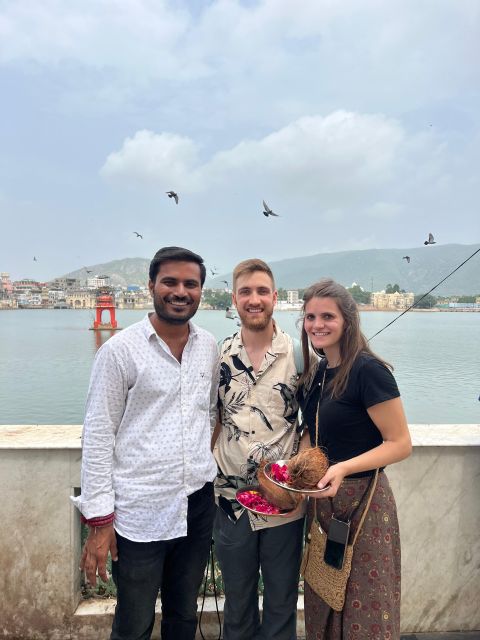
At $6 per person, the tour offers strong value if you want interpretation as well as transport between sights. The price includes temple entry tickets, water, masala tea, and malpua. Hotel pickup and drop-off are offered, and lockers are available for luggage and cameras. Confirm pickup arrangements with the provider, since the meeting point may otherwise be suggested before the activity.
The low price makes this an approachable introduction to Pushkar, but it is worth checking the exact inclusions when you book. The tour description says entry tickets to temples and palaces of interest are included, although the named walking route focuses on temples and ghats. The practical value comes from having the guide, the ritual explanation, and the listed refreshments bundled into one short outing.
The advertised duration is three hours. Allow extra time in your day if you want to linger, take photographs, ask questions, or spend more time at the ceremony. An account of the experience describes a tour lasting four and a half hours, so a tightly scheduled departure immediately afterward would be unwise.
The tour is in English. Comfortable clothing is recommended for temple visits, and sandals or slippers are suggested. Oversize luggage is not allowed, even though lockers are available, so keep your belongings small and manageable.
Who Will Get the Most from This Walk
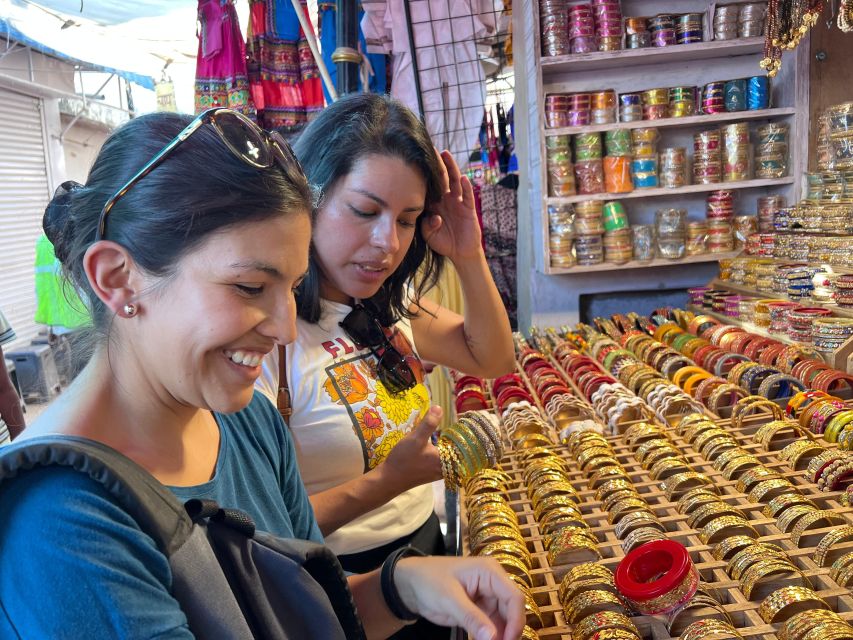
This is a good fit if you want to understand why Pushkar is sacred, not just see its best-known buildings. It suits curious first-time visitors, solo travelers looking for a guided orientation, photographers who appreciate time for stops, and anyone interested in Hindu practices and local customs.
It is also a strong choice if you want a guide to help you approach a ceremony with care. The puja can make the visit feel personal, but the experience is not a match for someone who would rather avoid religious settings or prefers a purely architectural tour.
Families and anyone with limited mobility should consider the fact that this is a walking tour through lanes and temple areas. The supplied details do not specify the walking distance, terrain, or accessibility arrangements, so ask the provider before booking if those details are important to you.
Should You Book the Pushkar Route?
Book it if you want a compact introduction to Pushkar that combines its major religious sites, lakefront ghats, local lanes, and a guided puja. The no-shopping format, included refreshments, and clear focus on culture make the $6 price appealing.
Skip it if you want a quiet, self-paced visit with long stretches at each temple, or if a religious ceremony does not interest you. For most visitors who have only a short time in town and want help understanding what they are seeing, this walk offers a useful start. If you book, keep your bag small, wear temple-appropriate clothes, and leave room in your schedule for the walk to run beyond its stated three hours.
FAQ
How long is the tour?
The stated duration is three hours. Allow some extra time if you plan to take photographs, ask questions, or spend longer at the ceremony.
What language is the tour in?
The live tour guide speaks English.
What is included in the price?
The listed inclusions are hotel pickup and drop-off, temple entry tickets, lockers for luggage and cameras, water bottles, Pushkar pancakes called malpua, and masala tea. The price is listed as $6 per person.
Does the tour include a puja ceremony?
Yes. The walk includes a puja ceremony by Pushkar Lake, with the guide explaining the ritual. You can ask the guide about participation.
Which places does the walk visit?
The route includes a Sikh Temple, Varaha Temple, Old Vishnu Temple, Jaipur Ghat, Brahma Temple, Brahma Ghat, and Gau Ghat. It also passes through local lanes and markets.
Is hotel pickup available?
Yes. Hotel pickup and drop-off are offered. If pickup is not used, the provider suggests a meeting point before the activity.
Can I bring a large suitcase?
No. Oversize luggage is not allowed. Lockers are listed as available, but bring only a small bag.
Just added around Jaipur
- Jaipur sightseeing tour with monkey temple (Galta ji temple)★ 5.0 · 15 reviews
- Jaipur: Jhalana/Amagarh leopard safari private tour★ 3.8 · 21 reviews
- Jaipur: Private Evening Tour with Monkey Temple Sunset★ 4.6 · 27 reviews
- From Delhi : Taj Mahal full day Agra tour by Gatiman Train★ 5.0 · 23 reviews
- Jaipur Nahargarh Fort Sunset and Night City Tour★ 5.0 · 26 reviews
- Exclusive Safari at Jhalana Leopard Park Including Transfers★ 4.5 · 23 reviews
- From Delhi: Jaipur Private Same Day-Trip By Car or Train★ 4.9 · 15 reviews
- Agra: Agra Fort and Baby Taj Private Tour with Pickup & Drop★ 4.9 · 29 reviews
Pushkar Tours, compared.

Afternoon Walk Tour with Sunset & Fire Ritual -The Pushkar Route
Read our review →

Pushkar Day Trip from Jaipur – Private Car, Safari, Guide & Lunch
Read our review →
Browse the lists this tour appears in