
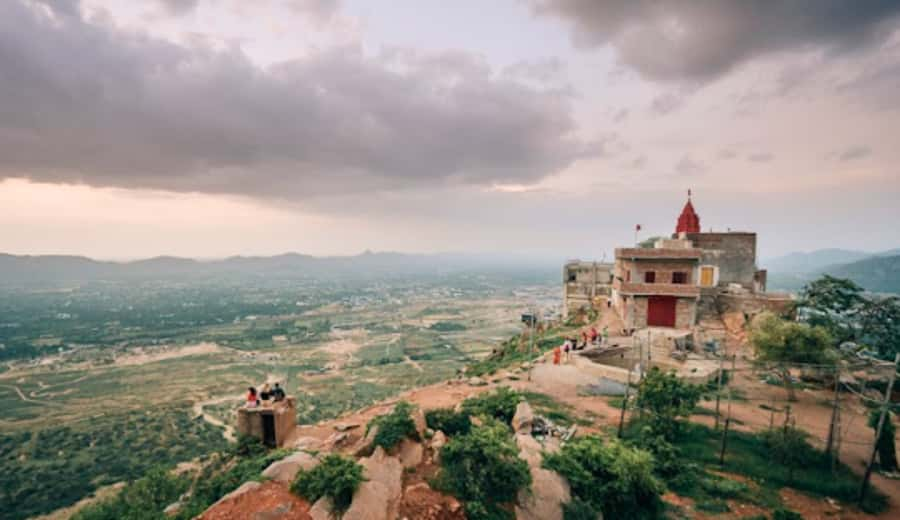
Review · PUSHKAR TOURS
Jaipur: Ajmer & Pushkar Day Trip with Lunch & Camel ride
Ajmer and Pushkar offer two very different windows into Rajasthan: Ajmer’s revered Sufi shrine and historic mosque, then Pushkar’s Brahma Temple, sacred lake and market. You get the contrast in one long day, with an air-conditioned vehicle to spare you the work of arranging the road trip yourself.
I like that the route brings Ajmer Sharif Dargah and Pushkar Lake together, and that the private vehicle includes fuel, tolls and parking. I also like the chance to pause for a vegetarian meal and browse Pushkar’s bazaar, rather than treating the towns as a quick photo stop.
The main caution is the long drive from Jaipur and the uncertainty around guiding: a driver may not provide the historical or religious context you want. If you need a guide, confirm that one is included before booking.
At a glance
- Ajmer’s Sufi shrine: Visit Ajmer Sharif Dargah, dedicated to Khwaja Moinuddin Chishti, with about an hour planned there.
- A historic mosque nearby: Spend around 30 minutes at Adhai Din Ka Jhonpra, known for its carved pillars and domes.
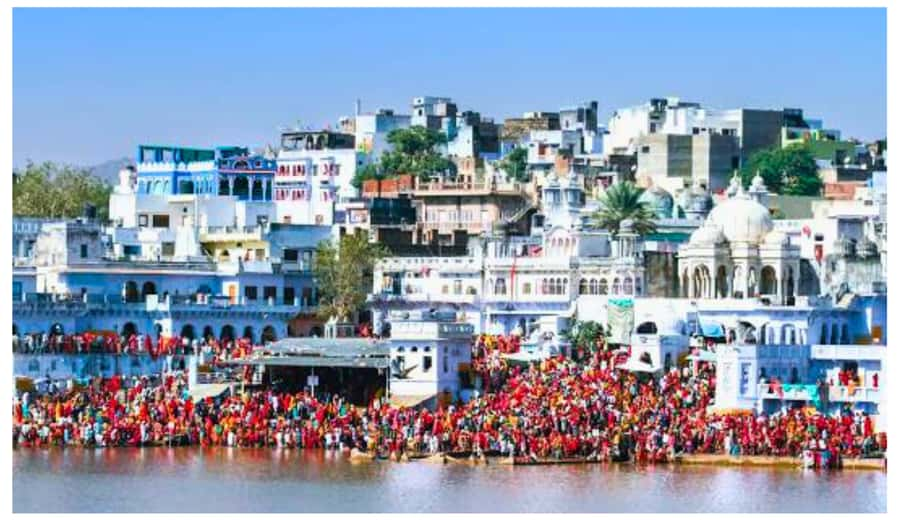
- Pushkar’s sacred center: See the Brahma Temple and Pushkar Lake, whose 52 ghats are used for religious rituals.
- A long road day: The itinerary starts at 8:00 AM and returns to Jaipur in the evening, with the journey and sightseeing filling most of the day.
- Lunch is extra: The tour includes a meal stop, but food and drinks are at your own cost. Pushkar is a vegetarian town.
- Driver quality matters: Shah Rukh and Manoj have been praised by name for making the ride comfortable, but tour guidance may not be part of the service.
A day built around two very different holy towns
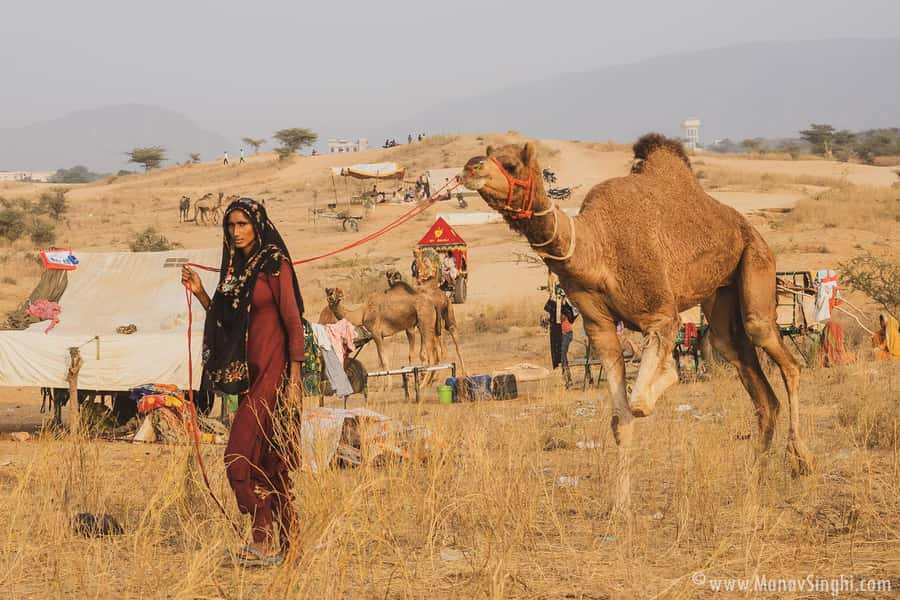
This trip works best if you want to see more than Jaipur without planning separate transport to Ajmer and Pushkar. Ajmer is known here for the Sufi shrine of Khwaja Moinuddin Chishti and Adhai Din Ka Jhonpra, while Pushkar centers on its Brahma Temple, lake and ghats. Seeing both gives the day a useful contrast between Muslim and Hindu sacred places.
The trade-off is time. You leave Jaipur at about 8:00 AM, travel roughly two hours to Ajmer, continue to Pushkar, and then return to Jaipur in the evening. That is a lot of road for a day trip, so think of this as a sampler of both towns, not a slow visit with time to linger at every stop.
The itinerary gives rough visit lengths, but real timing can shift. The Dargah gets about an hour, Adhai Din Ka Jhonpra about 30 minutes, the Brahma Temple about 30 minutes, Pushkar Lake about 45 minutes and the bazaar around 30 minutes. Those windows are enough for a first look, but you may have to choose between lingering and keeping to the schedule.
More Pushkar trips around Jaipur:
- Spiritual City Walking Tour-THE Pushkar Route
★ 5.0 · 907 reviews - Afternoon Walk Tour with Sunset & Fire Ritual -The Pushkar Route
★ 5.0 · 119 reviews - Evening Walking Tour with Fire Rituals-The Pushkar Route
★ 4.9 · 108 reviews
The Jaipur drive and what the private car adds
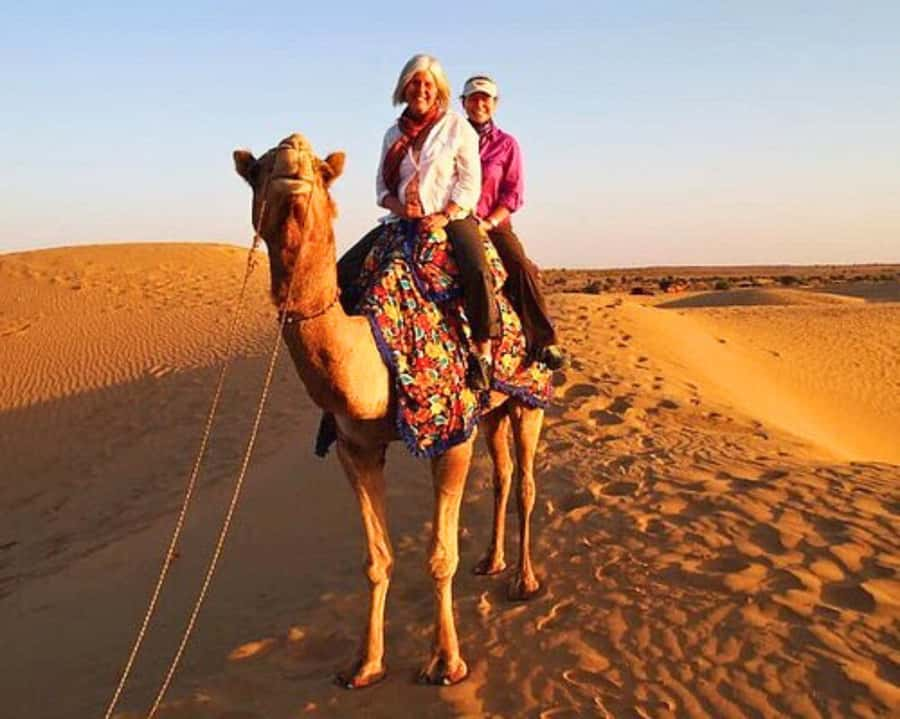
The first leg to Ajmer is described as about two hours, with views of the Aravalli hills along the way. The information also refers to a three-hour journey from Jaipur to Pushkar, so allow for a substantial amount of driving overall. The schedule suggests an evening return, but does not give a precise arrival time.
A private air-conditioned vehicle is the practical heart of the trip. Pickup and drop-off, fuel, tolls and parking are included, which takes several small costs and arrangements off your plate. You can focus on the stops instead of negotiating transport between Jaipur, Ajmer and Pushkar.
Driver feedback is a bright spot, with Shah Rukh and Manoj named as drivers who made the long ride comfortable and enjoyable. Names do not guarantee who will drive your trip, however. One traveler also found the driver had not been told which tour was booked, leaving the passengers to explain the plan themselves. Before setting off, confirm that the driver knows the day’s stops and sequence.
Most important, do not assume the driver is also a sightseeing guide. The tour information gives Hindi and English as languages, but does not clearly promise a guide or commentary at the monuments. If you want someone to explain the history and religious practices, ask whether a dedicated guide is included. Without one, you may need to read up beforehand or arrange explanations on site.
Ajmer Sharif Dargah: a place of devotion
The first major stop is Ajmer Sharif Dargah, the shrine of Khwaja Moinuddin Chishti. It is a revered Sufi site, and the planned hour gives you time to take in its spiritual atmosphere and Mughal architecture rather than rushing straight through.
Approach it as a place of worship, not simply a monument. Dress modestly, expect crowds, and be mindful of people who have come to pray. The practical advice is simple: wear comfortable shoes, keep your belongings close, and follow any directions given at the site. The tour information does not spell out entry procedures, so do not count on a particular arrangement.
The Dargah’s appeal depends partly on what you want from a visit. If you are interested in religious life and the role of a Sufi shrine, the setting can be compelling even if you do not have a guide. If you prefer detailed historical interpretation, the lack of guaranteed commentary may leave you wanting more. This is a good stop to prepare for in advance by deciding what you hope to learn.
Adhai Din Ka Jhonpra and its carved stonework
Close to the Dargah, Adhai Din Ka Jhonpra gives you a second view of Ajmer’s religious architecture. It is described as one of India’s oldest Islamic structures, with carved pillars and domes that show Indo-Islamic artistry. The name is commonly translated as a structure built in two and a half days, a striking detail to keep in mind as you look at the stonework.
The planned visit is about 30 minutes. That is enough to look closely at the pillars and domes, but not much time for a lengthy architectural study. The stop makes particular sense after the Dargah: you get two distinct sites in the same city without adding another long transfer.
As at the shrine, the value of this stop is easier to appreciate with context. If no guide is provided, a little advance reading will help you notice more than the scale and surface detail. If you are mainly interested in seeing the headline sights, the short visit should suit you. If architecture is a major interest, you may find the schedule tight.
More tours with lunch around Jaipur:
- From Jaipur: Private Taj Mahal & Agra Day Trip with 5* Lunch
★ 4.9 · 161 reviews - Taj Mahal & Agra Fort Private Tour with Lunch & Pickup
★ 4.9 · 69 reviews - Pushkar Day Trip from Jaipur – Private Car, Safari, Guide & Lunch
★ 4.5 · 45 reviews - From Delhi: Taj Mahal & Agra Private Day Trip with 5* Lunch
★ 4.8 · 41 reviews
The road to Pushkar and the lunch pause
From Ajmer, the drive to Pushkar takes about 30 minutes, with scenic views along the way. The shorter connection is a welcome break after the Jaipur leg, and it shifts the day from Ajmer’s urban religious sites to Pushkar’s lake-centered setting.
Lunch is planned in Pushkar, but the meal is not included in the $30 price. You pay for your own food and drinks at a local eatery. The town is vegetarian, so this is a useful place to try local Rajasthani vegetarian dishes, though the tour details do not name a specific restaurant or menu.
Treat the meal stop as part of the budget, not a bonus included in the fare. Carry some cash for food and market purchases, as well as for personal expenses. The schedule places lunch around midday, but the exact time will depend on how the morning visits and road traffic unfold.
Brahma Temple: a rare dedication
Pushkar’s Brahma Temple is one of the few temples dedicated to Lord Brahma, which makes it a distinctive stop even for visitors who have seen other Hindu temples. About 30 minutes are planned here. That allows for a focused visit, but it is not a long window for a leisurely exploration.
Modest dress is advised at religious sites, and crowds are expected at popular attractions. Keep your visit respectful and follow instructions on site. The supplied information does not specify rules about photography or belongings, so check locally rather than assuming your camera can be used everywhere.
The temple is one of the clearest reasons to include Pushkar in the day. Its rarity gives the stop a particular point of interest, while the lake and ghats nearby show how religious activity shapes the town more broadly. Together, these places make Pushkar more than a quick shopping break.
Pushkar Lake and its 52 ghats
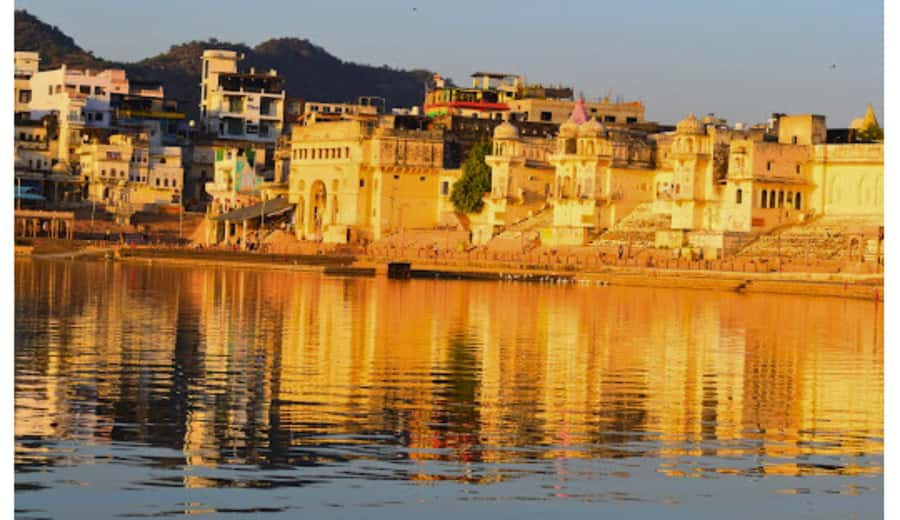
Pushkar Lake is a sacred site with 52 ghats, where pilgrims perform rituals. Around 45 minutes are set aside to see the lake and its surroundings. That gives you time to walk, observe the atmosphere and understand why the water and steps form the center of Pushkar’s religious life.
Keep your behavior considerate around rituals and people praying. The lake is a place of devotion, so a quiet, observant visit is more appropriate than treating the ghats as a backdrop for a rushed photo. Crowds may be part of the experience, especially at popular sites, so allow a little patience.
This stop may be the most rewarding part of Pushkar if you value a sense of place over ticking off monuments. The time is still limited, but it gives you a pause after the temple and before the bazaar. If you have a particular interest in rituals or religious customs, ask in advance whether a guide can accompany you.
Pushkar Bazaar and the final stop
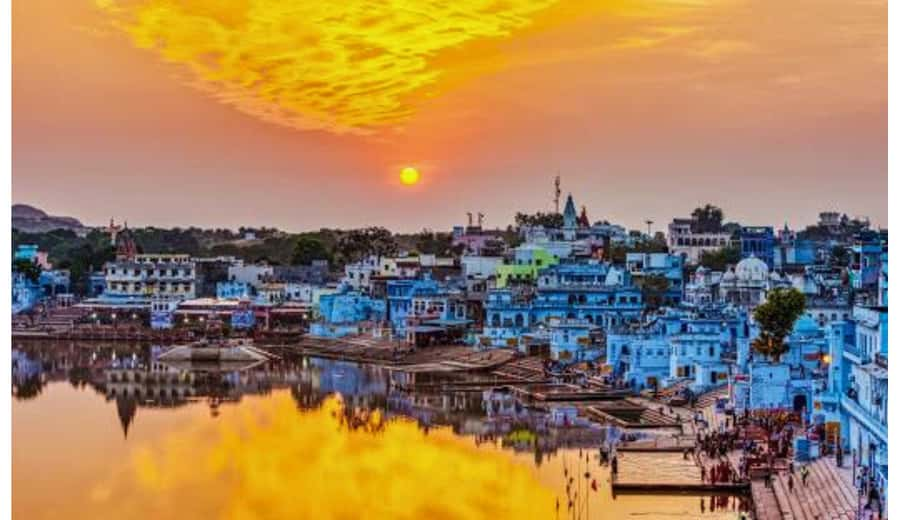
The bazaar is planned for about 30 minutes and is known for handicrafts, jewelry and souvenirs. It is a short chance to browse local goods and pick up a reminder of Rajasthan before the drive back. You will need to be selective: half an hour goes quickly, especially if you stop to shop.
Carry cash for market purchases, as advised. The information does not promise a specific shopping route or particular crafts, so treat the bazaar as free time rather than a guided shopping visit. If shopping is not your priority, use the time to walk through the area and take in the everyday character of Pushkar.
The return to Jaipur is scheduled to begin around 4:30 PM, with arrival in the evening. The tour details do not give a firm arrival time. Keep your evening plans flexible, since the day already includes a long outbound journey, several stops and the return drive.
Is $30 good value?
At $30 per person, the price covers a private air-conditioned vehicle, pickup and drop-off, fuel, tolls and parking, along with visits to key sights. For a long day connecting Jaipur, Ajmer and Pushkar, that package can be good value if you want transport arranged and do not want to hire a car yourself.
But the headline price is not the whole budget. Lunch and drinks are excluded, as are personal expenses and shopping. You should also weigh the value of included transport against what matters most to you: if you mainly want a car and already know the sites, the package may suit you. If you want a guide to explain the places, confirm that service before paying.
The most consistent positive point is the comfort of the road trip. Shah Rukh and Manoj are specifically praised for their driving and for helping make the long journey feel comfortable. That matters on a day when the car is not just a transfer between attractions; it is a large part of the experience.
There is also a real caution: one traveler found the lack of tour information for the driver frustrating and felt a taxi would have cost less. That is a useful distinction. This trip is priced for convenience and a planned route, not guaranteed expert guiding. If the driver does not know the schedule and no guide is provided, much of the cultural interpretation is left to you.
Who should book this day trip?
I would consider this trip if you have one day to see Ajmer and Pushkar from Jaipur, value private transport, and are comfortable with a brisk itinerary. It is also a sensible fit if the Dargah, Brahma Temple and Pushkar Lake are priorities and you are happy to do some independent reading before you go.
It is less suitable if you dislike long drives, want generous time at each site, or expect a guide to explain every stop. The tour is not suitable for wheelchair users. If guiding is important, confirm it directly before booking, and make sure the driver has the full itinerary at the start.
Go prepared with comfortable shoes, a hat, sunscreen and water. Dress modestly, carry cash, and remember that Pushkar is vegetarian. Smoking is not allowed on the tour. You can reserve without paying immediately and cancel up to 24 hours in advance for a full refund, which offers some flexibility if your plans are still taking shape.
Should you book it?
Book this trip if you want the convenience of reaching two culturally distinct towns in one day and understand that the journey will be long. Its strongest points are the private air-conditioned transport, the combination of major religious sites, and drivers who have been praised for making the ride comfortable.
Skip it, or first confirm the guiding arrangements, if you want detailed commentary or a slow visit. The best way to get value is to arrive with realistic expectations: this is a transport-focused day trip with several meaningful stops, not a deeply guided tour.
FAQ
How long is the trip from Jaipur?
The itinerary begins around 8:00 AM and describes about a two-hour drive to Ajmer, followed by roughly 30 minutes to Pushkar. It also refers to a three-hour journey from Jaipur to Pushkar. The return to Jaipur is scheduled for the evening.
What time does the tour start?
The day is scheduled to begin at 8:00 AM with pickup in Jaipur.
Is lunch included in the price?
No. The tour includes a meal stop in Pushkar, but you pay for your own lunch and drinks.
What attractions are included?
The planned visits include Ajmer Sharif Dargah, Adhai Din Ka Jhonpra, the Brahma Temple, Pushkar Lake and Pushkar Bazaar. The included details specifically list the Dargah, Brahma Temple and Pushkar Lake.
Is a guide included?
A dedicated guide is not clearly specified. Confirm before booking if you want guided commentary at the sites.
What languages are available?
Hindi and English are listed as languages for the experience.
What should I bring?
Bring comfortable shoes, a hat, a camera, sunscreen and water. Cash is useful for food, shopping and personal expenses.
What should I wear at the religious sites?
Modest dress is advised at religious sites.
Is the tour suitable for wheelchair users?
No. The experience is listed as not suitable for wheelchair users.
Can I cancel the tour?
You can cancel up to 24 hours in advance for a full refund.
More day trips around Jaipur
- Private Jaipur Full One Day Tour In Pink City With Guide
★ 5.0 · 322 reviews - From Jaipur: Ranthambore National Park Day Trip with Safari
★ 4.6 · 244 reviews - Ranthambore Tiger Safari Day trip from Jaipur – All Inclusive
★ 4.5 · 87 reviews - Jaipur- 1 Day Private Tour With Guide
★ 5.0 · 81 reviews
Just added around Jaipur
- Elephant Sanctuary for Best elephant experience in Jaipur★ 5.0 · 8 reviews
- Jaipur Elephant Experience: Bond, Connect, and Learn★ 4.5 · 10 reviews
- Jaipur: City Night Tour with Patrika Gate & Masala Chowk Tea★ 5.0 · 5 reviews
- Jaipur City Tour: City Palace, Jantar, Hawa & Jal Mahal★ 4.9 · 13 reviews
- Jaipur: Cultural Tour with Artisan Craft Experiences★ 4.9 · 13 reviews
- Jaipur: Block Printing Workshop In the Heart of City Center★ 4.8 · 5 reviews
- Jaipur City Tour Elephant Ride with Guide★ 5.0 · 9 reviews
- Jaipur Amer Fort, Jal Mahal & Stepwell Private Half-Day Tour★ 4.7 · 20 reviews
Pushkar Tours, compared.

Afternoon Walk Tour with Sunset & Fire Ritual -The Pushkar Route
Read our review →
Spiritual Walking tour with Puja Ceremony -The Pushkar Route
Read our review →
Pushkar Day Trip from Jaipur – Private Car, Safari, Guide & Lunch
Read our review →
Browse the lists this tour appears in