
Review · JAIPUR WALKING TOURS
Agra City Cultural Walk
Agra’s old city makes more sense on foot than from a car window. This early-morning walk pairs a short ride in a battery-powered rickshaw with time in narrow lanes, where guide Arif connects the daily street scene to the city’s Mughal and British-era past.
I like two things in particular: the hotel pickup and small-group privacy make the early start easier, and the route visits working religious and transport landmarks, not just grand monuments. Arif is praised for clear English, humor and an easy way of explaining local architecture and history.
One consideration: this is a walk through an active city, not a polished monument circuit. You’ll need moderate fitness, covered shoulders and knees, and an appetite for a little uncertainty: the pace and route may depend on what’s happening in the lanes that morning.
What to know before you book
- An early start brings you into the city as it wakes up. Hotel pickup is by battery-powered rickshaw, followed by a guided walk through old Agra.
- Arif is the named guide. He is particularly praised for explaining architecture and city history in accessible English.
- The route includes three named stops: Agra Fort Railway Station, Shri Mankameshwar Mandir and Jama Masjid.
- It is a private outing. Only your group takes part, and hotel pickup and drop-off are included.
- Plan for 2.5 to 3 hours on foot and in transit. Wear clothing that covers shoulders and knees, since the tour visits a temple and a mosque.
- The listed price is $100 per person. Group discounts are offered; bottled water is included.
Agra before the day gets loud
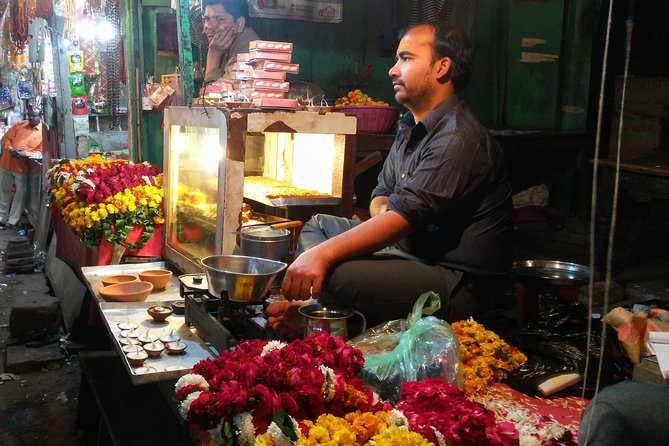
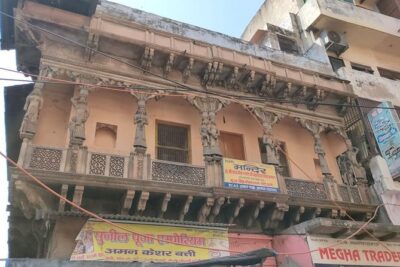
This tour is about ordinary city life as much as famous history. The early hour is part of the point: you set out while the streets are starting to stir, then leave the rickshaw and walk through the old city with a guide who can explain what you’re seeing as it happens.
That makes for a different kind of Agra visit from a day spent moving between headline sights. Here, the streets themselves are the subject: markets, religious sites, local architecture and the patterns of daily activity. You won’t get the same grand, carefully framed views as at a major monument, but you do get a closer look at how the city functions.
The walking route is led by Arif, who is described as having a strong grasp of Agra’s past and a friendly, humorous manner. His role matters: a lane or station can look like a blur of buildings and movement if you don’t know what to notice. A good guide can connect a place’s present-day use to its older story, and visitors have particularly valued Arif’s explanations of how Agra’s buildings developed over time.
More walking tours around Agra:
- Agra Walking Tour
★ 5.0 · 109 reviews - Agra: Street Food Walking Tour, Spice Market, & Tuk-tuk Ride
★ 4.9 · 102 reviews - Agra 101 City Walk
★ 5.0 · 41 reviews
The rickshaw ride and hotel pickup
The tour begins at your hotel, with a ride to the old city in a battery-powered, eco-friendly rickshaw. Pickup and drop-off are included, so you don’t have to arrange your own way to the starting point before dawn. That is a practical plus in a city where an early start can make transport planning feel like a second job.
The rickshaw also sets the pace for the outing. It gets you into the old-city area, where the walking begins, rather than keeping you behind glass for the whole tour. The shift from ride to foot is useful: you can cover the initial distance, then slow down and notice the details that make a street-level visit worthwhile.
Your total time is about two and a half to three hours. The exact start time is early morning, but no specific departure hour is provided, so confirm that directly when booking. If you’re planning the walk around another activity, leave some breathing room; the stated duration is approximate.
Agra Fort Railway Station: history beside the tracks
The first named stop is Agra Fort Railway Station, where the guide spends about 10 minutes sharing history and stories. A railway station may seem an unexpected choice for a cultural walk, but it offers a useful way to read the city beyond its palaces and monuments. Agra’s transport history, architecture and everyday movement all meet here.
The stop is brief, so think of it as an introduction rather than an in-depth station tour. Arif’s explanations are meant to give the place context, including how the city developed and how its buildings changed over time. If architecture or local history interests you, bring questions; this is a private tour, so your group can ask as you go.
One account of the walk also describes a stop for original Indian street breakfast. That isn’t listed as a guaranteed inclusion, and it shouldn’t be treated as part of the price. If trying local food matters to you, ask Arif in advance whether breakfast is likely on your date and whether you should bring cash.
Mankameshwar Mandir: a working place of worship
The route continues to Shri Mankameshwar Mandir, a temple where the guide spends about 10 minutes on its history and stories. This is a religious site, not simply a photo stop, so go in ready to follow local customs and dress respectfully. The tour’s clothing guidance is clear: cover your shoulders and knees.
A short visit is enough to add a religious dimension to the walk without turning the morning into a sequence of long monument stops. Arif can help explain the place and its role in the city, while you take in the atmosphere at a respectful pace. The experience may feel more immediate than a visit to a museum because the site is part of the city’s living religious life.
Keep your expectations flexible. The details provided don’t specify the exact route inside the temple or what rituals you’ll see, and these can depend on conditions at the time. The value lies in having a local guide to help you understand the setting, rather than expecting a fixed performance or a long formal tour.
More Jaipur tours around Agra:
- Agra: Skip-the-Line Taj Mahal & Agra Fort Private Tour
★ 4.9 · 1,546 reviews - Agra: Taj Mahal Express Entry Tickets
★ 4.8 · 684 reviews - Agra: Taj Mahal and Mausoleum Guided Tour with Skip-the-Line
★ 4.8 · 631 reviews - Private Guided Taj Mahal Tour with Skip The Line Entry Ticket
★ 5.0 · 562 reviews
Jama Masjid: a short mosque visit
The listed route also includes Jama Masjid, with about five minutes set aside for history and stories. That is a quick stop, so don’t expect an extended architectural tour. It does, however, bring a mosque into a walk that also includes a Hindu temple, giving you a chance to see more than one part of Agra’s religious life in a single morning.
The dress code applies here too: cover shoulders and knees. The available details don’t specify entry arrangements or what areas are accessible, so follow your guide’s instructions and be prepared for the visit to be brief. A respectful approach matters more than trying to rush through for photographs.
The schedule names these three stops, but it doesn’t describe every lane or pause along the way. Much of the tour’s character comes from the walk between landmarks, where Arif can point out local markets, architecture and street activity. That informal time is where the route can feel less like a checklist and more like a morning spent getting oriented in old Agra.
A private walk with a local guide
Because this is a private activity, only your group participates. That gives you more room to ask questions and move at a pace that suits your group than you would have on a large scheduled walk. It does not mean you can assume every detail is adjustable, but it does make the experience more personal.
Arif is the guide named for the tour, and the strongest praise centers on his ability to make history understandable, answer questions and put people at ease. His explanations cover local architecture, the markets, the railway station and the city’s past, including the Mughal period and British rule. One account also describes a night walk through local markets, but the tour described here is an early-morning outing, so don’t assume an evening version is included.
A local guide can also help you find places you might not notice on your own. That is particularly useful in an old city, where a small architectural detail or a market’s layout can carry more meaning than its first impression suggests. The tour’s strength is not a promise of secret access; it is having someone there to make the streets easier to read.
Is $100 per person good value?
At $100 per person, this is not a cheap way to fill a morning, especially if you’re traveling alone. The price is easier to justify if you value a private guide, hotel transport in both directions and a structured introduction to old Agra. Group discounts are offered, so the per-person cost may work better if you’re booking with others.
The included items are professional guide service, hotel pickup and drop-off, and bottled water. The overview also describes the battery-powered rickshaw ride to the old city. The route’s listed admission details show the temple and mosque as free, while the railway station stop is marked as including a ticket. Don’t assume the price covers breakfast or other food; that is not listed as an inclusion.
For the strongest value, treat this as a way to understand the city, not as a quick tour of major monuments. If your priority is covering a long list of sights, the short stops may feel limited. If you want an informed walk through local streets with transport taken care of, the private format and guide are the main reasons to consider the price.
Who will enjoy this walk most
This outing suits you if you’ve already set aside time for Agra’s major sights and want a closer look at daily life around them. It is also a good fit if you like asking questions, enjoy history told in plain language and are comfortable walking through an active urban setting. The early start rewards anyone who prefers seeing a city as it begins its day rather than meeting it at midday.
It may be less suitable if you want a long, formal visit at each landmark, dislike early starts or have trouble with moderate physical activity. The walking portion is central to the experience, and the tour provides a fitness guideline rather than a promise of a fully accessible route. If you have specific mobility needs, check the route details with the provider before booking.
Dress for the religious stops. Clothing should cover knees and shoulders, and comfortable walking shoes are a sensible choice for a city walk, though footwear requirements are not specified. Bottled water is included, but the early start and several hours out mean you’ll want to be ready before pickup.
A few practical details
The activity is a private tour with hotel pickup and drop-off, and confirmation is provided at booking. Its duration is approximate, running about 2.5 to 3 hours. The start is early in the morning, but the exact time is not stated in the details provided.
The tour depends on good weather. If poor weather causes a cancellation, you’ll be offered another date or a full refund. You can cancel for a full refund up to 24 hours before the start time; changes or cancellations made less than 24 hours before are not accepted, based on local time.
Should you book the Agra City Cultural Walk?
Book it if you want an early-morning introduction to old Agra, value having Arif explain what you’re seeing, and prefer a private walk with hotel transport arranged. The mix of a railway station, temple, mosque and local lanes gives the outing a broader focus than a monument-only visit.
Think twice if you’re looking for a long tour inside major landmarks or need a fully specified route before you commit. The stops are brief, and some details, including the precise start time and whether breakfast is available, should be confirmed with the provider. For a curious visitor who wants the city’s everyday side alongside its history, this is a useful addition to an Agra stay.
FAQ
How long does the Agra City Cultural Walk last?
It lasts about 2 hours and 30 minutes to 3 hours.
What time does the tour start?
It starts early in the morning. A specific start time is not provided, so confirm it when booking.
Is hotel pickup included?
Yes. Hotel pickup and drop-off are included.
What transport is used to reach the old city?
The tour overview describes a battery-powered, eco-friendly rickshaw ride from the hotel to the old-city area.
Is the tour private?
Yes. Only your group participates.
Who is the guide?
The named guide is Arif.
Which places are included in the route?
The named stops are Agra Fort Railway Station, Shri Mankameshwar Mandir and Jama Masjid.
What should I wear?
Wear clothing that covers your shoulders and knees because the tour visits a temple and a mosque.
Is bottled water included?
Yes. Bottled water is included.
Can I cancel for a full refund?
You can cancel at least 24 hours before the start time for a full refund. If poor weather cancels the tour, you’ll be offered a different date or a full refund.
Just added around Agra
- Full-Day City Tour of Agra visit The Taj Mahal, Agra Fort & Fatehpur Sikri★ 5.0 · 5 reviews
- Skip-the-Line: Agra Fort Entrance Ticket with Guided Tour★ 5.0 · 25 reviews
- Agra: Create Your Own Itinerary – Private Tour & Transfer★ 5.0 · 5 reviews
- Agra: 6 Hour Tuk-Tuk / Rickshaw Tour★ 5.0 · 17 reviews
- Agra City Tour From Sunrise to Sunset★ 5.0 · 8 reviews
- Agra Sightseeing & Shopping Tour by Private Car with Guide★ 5.0 · 4 reviews
- Affordable transfer from Agra to Jaipur via Fatehpur Sikri★ 4.5 · 7 reviews
- Taj Mahal with Professional Photoshoot★ 4.8 · 24 reviews
Jaipur Walking Tours, compared.



Afternoon Walk Tour with Sunset & Fire Ritual -The Pushkar Route
Read our review →

Browse the lists this tour appears in