
Review · PUSHKAR TOURS
Evening Walking tour with Fire Ceremony – The Pushkar Route
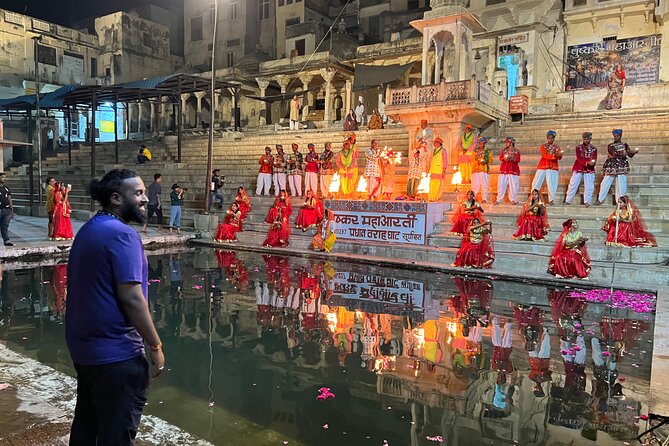
Pushkar changes character as evening settles in. This three-hour walking tour takes you through temples and lakefront ghats before the Maha Aarti, the fire ceremony that draws the route together. I like that you see several religious sites on foot, rather than treating the lakeside ritual as a stand-alone stop.
I also like the small group, capped at six, and the tour’s clear no-shopping approach. Guides Manish and Kapil are named in visitor feedback for being friendly, explaining Hinduism and answering questions, including ones beyond the usual route.
One consideration: this is a walking tour, not a ride between sights, and it runs for about three hours. The stops are close enough to make a compact route, but you should be comfortable spending the evening on your feet.
- Maha Aarti at Brahma Ghat: The fire ceremony is the main event, held beside Pushkar Lake.
- Seven stops in about three hours: The route links temples, a Sikh place of worship, the lake and its ghats.
- Small group: No more than six people can join, leaving room to ask the guide questions.
- No shopping stops: The focus stays on religion, local customs and the town’s nighttime streets.
- $8 per person: A low price for a guided walk of about three hours, with admission tickets included at the listed stops.
- A 5 pm start: The timing takes you through the town as evening begins and leads into the Aarti.
Why Pushkar is worth seeing after sunset
Pushkar is known for its lake, temples and religious life. In daylight, you can take in the town’s main sights; in the evening, the route gives you a chance to notice how worship and daily life gather around the water. The tour’s emphasis is not just on reaching famous buildings. It also brings you to the ghats, the stepped banks where many of the town’s rituals take place.
The walk begins at 5 pm and lasts about three hours. That puts the lake and its surroundings at the center of the experience, with the Maha Aarti as a key moment. The route includes several temples and a Sikh gurudwara, so you see Pushkar’s religious variety, not only its Hindu shrines.
I like the choice to walk. Pushkar’s narrow streets and lakeside sites are part of the experience, and moving between them on foot lets you take in the town at a human pace. The guide also helps make sense of places you might otherwise pass without knowing what they are or why they matter.
Brahma Ghat sets the scene
The first stop is Brahma Ghat, one of the important ghats on Pushkar Lake and a place associated with the Maha Aarti. The route also notes a Shankaracharya temple at the ghat entrance, built by Shri Jayendra Saraswati. This first visit gives you a setting for the evening’s central ritual before the tour moves on to other sites.
The ghat appears again later for the Aarti. That return is useful: you can first see the place as a landmark, then come back when the evening ceremony is taking place. The tour allocates 30 minutes for the first ghat stop and 25 minutes for the later Aarti visit.
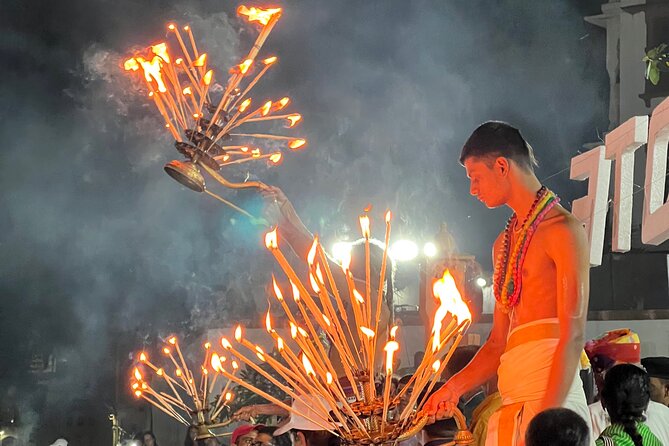
The value here lies in context as much as spectacle. The fire ceremony is not presented as a performance separate from the town; it takes place at a significant religious site beside the lake. Your guide can help explain the customs and what you are seeing, while you watch the ceremony unfold.
More Pushkar trips around Jaipur:
- Spiritual City Walking Tour-THE Pushkar Route
★ 5.0 · 907 reviews - Afternoon Walk Tour with Sunset & Fire Ritual -The Pushkar Route
★ 5.0 · 119 reviews - Evening Walking Tour with Fire Rituals-The Pushkar Route
★ 4.9 · 108 reviews
Brahma Temple and the town’s rare shrine
The next stop is Brahma Temple, with 30 minutes set aside. It is among the few temples in India dedicated to Brahma, the Hindu creator god, and is described as the most prominent of them. The structure dates to the 14th century, with later changes.
For you, the temple is a chance to understand why Pushkar has a particular place in Hindu religious life. The tour’s guide can explain the site’s history and answer questions, which matters when a shrine’s significance may not be apparent from its exterior alone. Feedback about guides Manish and Kapil specifically highlights friendly explanations and willingness to answer questions about Hinduism.
A temple visit is also a moment to be attentive to local customs. The tour information does not specify dress rules or what access is available inside, so ask the guide what is appropriate when you arrive. The listed stop lasts half an hour, enough to make this more than a quick photo pause.
The Maha Aarti at Brahma Ghat
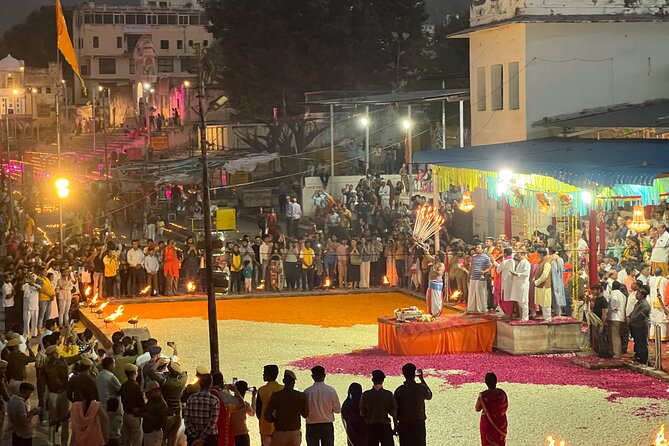
The return to Brahma Ghat is the emotional center of the walk. The evening Aarti is a Hindu fire ceremony, and this is where you can watch it beside Pushkar Lake. The tour describes the sound of bells from the temples around the water as part of the atmosphere.
You do not need to be religious to find the ritual meaningful. It gives you a direct look at a living practice, rather than a lesson delivered only in a museum or from a book. A guide’s explanations can help you follow the customs, but the experience also leaves space to simply observe.
The ceremony is a public religious occasion, not a private show arranged for the group. That means the setting and pace may depend on the ritual itself. If you are hoping for a quiet, empty lakeside, this is not necessarily that kind of stop; the point is to witness the Aarti in its place in Pushkar’s evening life.
Varaha Temple, a Vishnu shrine
The Varaha Temple is dedicated to Vishnu and is described as one of Pushkar’s ancient temples. The shrine is linked to Varaha, an incarnation of Vishnu, and is considered one of the eight Swayambhu Kshetra of Vishnu. The temple was built in the 12th century by King Anaji Chouhan, according to the tour’s description.
The 25-minute visit gives the guide a chance to explain another strand of Hindu belief after the Brahma Temple and Aarti. That comparison is useful: the tour is not limited to one deity or one religious site, and the stops together help show how varied Pushkar’s sacred places are.
The temple’s age and religious role make it a worthwhile pause, but the tour does not promise a long, detailed temple study. If you want to linger over every architectural detail, you may prefer to return on your own later. Here, the guide’s short explanations help you understand the essentials as the walking route continues.
More walking tours around Jaipur:
- Jaipur Bazaar & Food Walking Tour
★ 5.0 · 281 reviews - Heritage Walk & Street Food Tasting in Jaipur
★ 5.0 · 158 reviews - Magical Walk of Jaipur
★ 5.0 · 121 reviews - Cultural Walk and Food Tasting In Jaipur
★ 5.0 · 118 reviews
A change of tradition at Gurudwara Sahib
Gurudwara Sahib, the Sikh temple, adds a different religious setting to the route. The tour describes it as known for its beauty and tranquility, and uses the visit to show Pushkar’s religious diversity. You spend about 30 minutes here.
This stop broadens the evening beyond Hindu temples and lake rituals. It offers a useful reminder that Pushkar’s sacred identity is not represented by a single tradition. The tour’s mix of Hindu and Sikh sites helps make the walk more complete than a temple-only circuit.
As with any place of worship, follow the guide’s instructions about conduct. The supplied details do not specify particular entry requirements, so it is sensible to ask before entering or taking photographs. The guide is there to explain the place, not just lead you from one pin on a map to the next.
Walking the 52 ghats around Pushkar Lake
The lake walk is allotted 25 minutes and includes a route around the 52 ghats, with photo spots and visits to small, old temples along the water’s edge. The ghats are more than scenic steps: they are part of the religious life that gives Pushkar its character.
This stretch can help you connect the earlier temple visits with the larger setting. You will see how the sacred sites relate to the lake, and how the ghats form a chain of places for worship and reflection. The route also offers time to look around and take photographs, though the group keeps moving on a schedule.
The lakefront may be the most atmospheric part of the walk, especially as evening falls. Still, remember that the itinerary gives this section a limited amount of time. If you want an unhurried circuit of every ghat, plan another visit rather than expecting the tour to cover each one at length.
Old Rangji Temple and the final stop
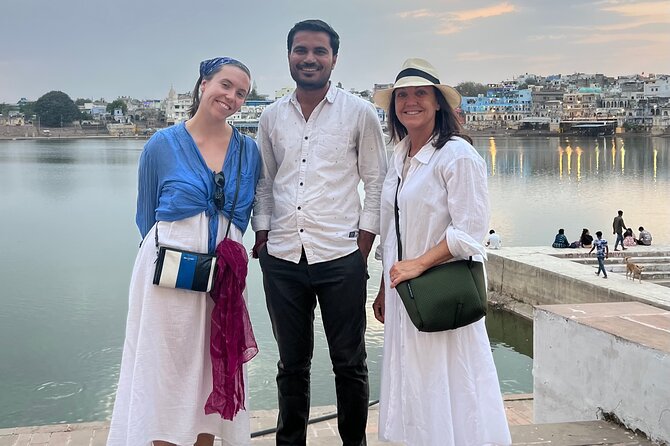
The final listed stop is Old Rangji Temple, near Varaha Ghat in the middle of town. This roughly 200-year-old temple is dedicated to Vishnu and was commissioned by Seth Puran Mal Ganeriwal. The tour allows 15 minutes here, making it a brief closing visit rather than a long temple stop.
Its location near the earlier Varaha Temple makes it a natural end to the route. The two Vishnu temples offer a point of comparison, while the walk back through town gives you a last look at Pushkar’s streets at night. The tour’s stated aim is to show the streets when they are at their prettiest, an appealing way to finish after the lakeside ceremony.
Because this is the shortest stop, keep your expectations in proportion. You will get an introduction and a chance to see the temple, not an extended visit. The guide’s explanations are especially useful here, since they help you distinguish one religious site from another without needing to prepare a detailed temple itinerary yourself.
What the $8 price includes in value
At $8 per person, the tour is an inexpensive way to link several sites with a local guide. The route lasts about three hours, covers seven stops and includes admission tickets at the listed sites. The price is especially good value if you want explanations of the temples and customs, or if you would otherwise struggle to find the smaller sites on your own.
A low price does not mean the tour is designed to cover every detail of Pushkar. It is a guided introduction, with timed visits and a set route. The value comes from combining the Aarti, lake walk and several religious sites in one evening, not from long stays at each temple.
The tour is also explicitly shopping-free. That matters if you want the evening to focus on culture and worship rather than retail stops. Pickup is offered, and a mobile ticket is available, though you should confirm the pickup arrangements when booking since a precise pickup point is not provided here.
The group limit of six is another practical plus. In a small group, you can ask questions without having to compete with a crowd, and the guide can respond to what interests the group. The tour is popular enough that it is booked an average of 19 days in advance, so planning ahead is sensible if your dates are fixed.
Who will get the most from this walk
I would choose this tour if you want an informed first look at Pushkar’s religious sites and evening customs. It is well suited to visitors who are curious about Hinduism, want to see the Aarti with some context, or prefer a guide to navigating temples and lake ghats alone. The feedback about Manish and Kapil points to an approachable style, with friendly explanations and answers to questions beyond the standard route.
It may be less appealing if you want private time at each site, dislike walking, or prefer to explore without a fixed schedule. The walk includes several stops in three hours, so each visit has a defined length. It also focuses on religious and cultural sights, rather than shopping, food or transport around the wider region.
Most people can participate, according to the tour information, but the experience is on foot and lasts about three hours. Consider your comfort with that before booking. If you want to see Pushkar’s lake and temples in a short evening, the length and price make the tour an easy option; if you want a slow, independent visit, use it as an introduction and return to your favorite sites later.
Should you book The Pushkar Route?
Book it if you want the Maha Aarti to be the anchor of an evening that also includes temples, a Sikh gurudwara and a walk around the lake ghats. At $8, with a maximum of six people and no shopping stops, it offers strong value for a guided introduction. The 4.9 rating from 35 reviews and 97 percent recommendation rate are encouraging, and the comments specifically praise the guides’ friendliness, clear explanations and openness to questions.
Skip it if a three-hour walk sounds tiring or you would rather set your own pace. For most visitors who want more than a quick look at the lake, this is a practical way to meet Pushkar after dark and understand what is happening around its sacred sites.
FAQ
What time does the tour start?
The tour starts at 5 pm.
How long does the walking tour last?
It lasts approximately three hours.
How much does the tour cost?
The stated price is $8 per person.
How large is the group?
The tour has a maximum of six participants.
Is pickup available?
Pickup is offered, and the tour provides a mobile ticket. The exact pickup details are not specified here, so confirm them when booking.
What is the cancellation policy?
You can cancel at least 24 hours before the start time for a full refund. Cancellations or changes made less than 24 hours before the start time are not accepted, and the amount paid is not refunded.
More evening experiences around Jaipur
- Taj Mahal Sunrise & Sunset All Inclusive Private Luxury Agra Tour
★ 5.0 · 348 reviews - Experience Jaipur By Night
★ 5.0 · 215 reviews - Full-Day Jaipur Tour Ending with a Sunset Experience
★ 5.0 · 128 reviews - Jaipur Tuk Tuk Sightseeing Tour with Monkey Temple Sunset View
★ 5.0 · 108 reviews
More evening tours around Jaipur
- Jaipur Heritage Evening Walk – The Twilight Magic of Pink City
★ 5.0 · 93 reviews - Private Jaipur Night Tour with Nahargarh Sunset Views
★ 4.5 · 75 reviews - Agra Evening Tour with Sunset view Taj Mahal
★ 4.8 · 34 reviews - Jaipur Evening Food & market Tour: Savor the Test of the Jaipur
★ 5.0 · 32 reviews
Just added around Jaipur
- From Delhi: Jaipur Private Same Day-Trip By Car or Train★ 4.9 · 15 reviews
- Jaipur sightseeing tour with monkey temple (Galta ji temple)★ 5.0 · 15 reviews
- Jaipur: Jhalana/Amagarh leopard safari private tour★ 3.8 · 21 reviews
- Jaipur: Private Evening Tour with Monkey Temple Sunset★ 4.6 · 27 reviews
- From Delhi : Taj Mahal full day Agra tour by Gatiman Train★ 5.0 · 23 reviews
- Jaipur Nahargarh Fort Sunset and Night City Tour★ 5.0 · 26 reviews
- Exclusive Safari at Jhalana Leopard Park Including Transfers★ 4.5 · 23 reviews
- Private Full Day Jaipur Sightseeing Tour By Tuk-Tuk (Rickshaw)★ 5.0 · 30 reviews
Pushkar Tours, compared.
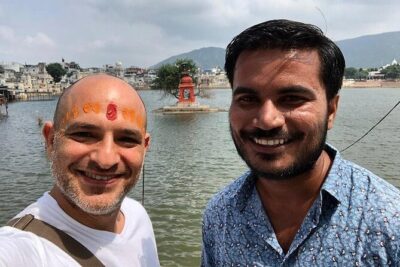

Afternoon Walk Tour with Sunset & Fire Ritual -The Pushkar Route
Read our review →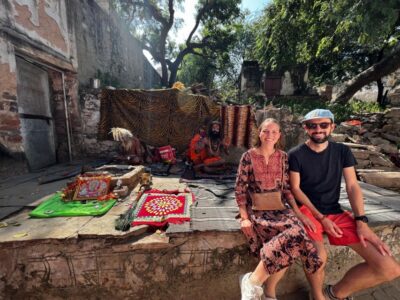
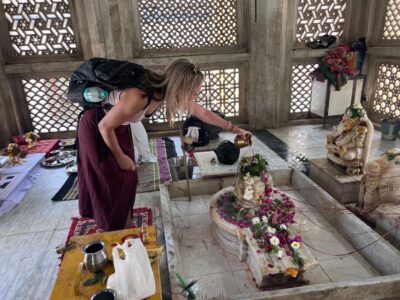
Spiritual Walking tour with Puja Ceremony -The Pushkar Route
Read our review →

Pushkar Day Trip from Jaipur – Private Car, Safari, Guide & Lunch
Read our review →
Browse the lists this tour appears in